Corporations: The new(old) disease vectors as they choose profits over health
Posted: February 24, 2026 Filed under: Breathing/respiration, cancer, health | Tags: cancer, environment, environmental toxins, food, health, herbicides, investigative reporting, nutrition, pollution, public health, smoking, wellness 1 Comment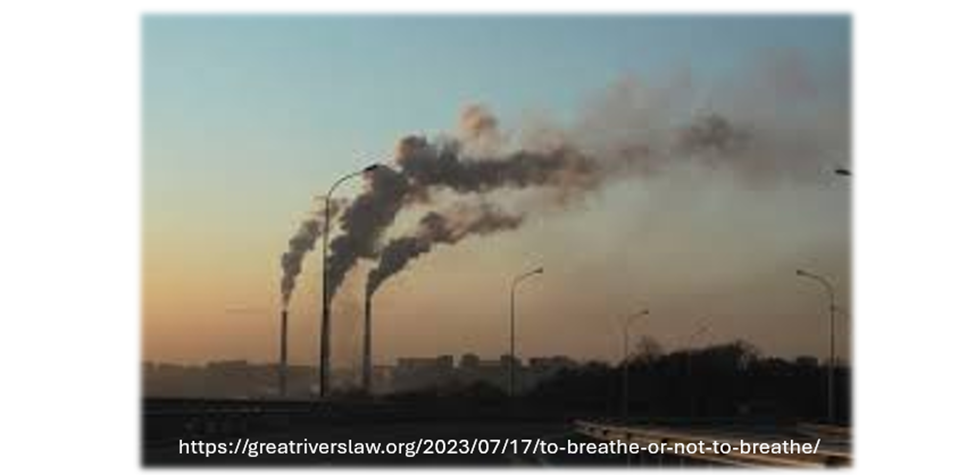
“We can invest in preventing illness now by reducing our exposure to environmental toxins — or we can pay a far higher price later trying to treat the resulting chronic and often debilitating diseases.”
Ever since the 1962 publication of Rachel Carson’s groundbreaking book, Silent Spring, which documented the harm environmental pollution caused, government has, often reluctantly, set limits intended to protect Americans from exposure to harmful chemicals in our food, air and water (Carson, 1964). These regulations did not emerge easily. As the governmental regulations were being proposed and implemented, they were consistently challenged by the very large corporations that manufactured and profited from these chemicals.
History reminds us how slowly public health protections can unfold. Consider how long it took for smoking to be prohibited in public spaces even though the harmful effects had been documented since the 1950s (Doll and Hill, 1954; Doll & Hill, 1964; Wynder & Graham,1985). For decades, the science was clear, yet policy and governmental actions were delayed. Only in the early 2000s did many states began banning smoking in workplaces, restaurants, and bars. The shift in public policy saved many lives and the reduction in smoking has been the major reason for the decrease in cancer mortality over the last twenty-five years.
We are going backwards
The Trump administration has rescinded the 2009 U.S. Environmental Protection Agency endangerment finding on greenhouse gases, loosening vehicle emission standards, and weakening pollution controls on power plants and oil and gas operations (Tabuchi, 2026). The health consequences may not appear immediately; however, they are predictable. The increased exposure today will again contribute to increased rates of cancer, respiratory illness, cardiovascular disease, and developmental disorders tomorrow.
To understand how the government regulations have been revised so that once again Americans will be more exposed to toxins in their food, air, and water, read the superb investigative report published by U.S. Right to Know whose mission is to pursuing truth and transparency for public health.
Their most recent report, Tracing Bayer’s ties to power in Trump’s Washington, describes in detail the hidden social connections, lobbying and political donations that lead “The White House to invokes the Defense Production Act to guarantee supplies of elemental phosphorus and glyphosate-based herbicides. Regulators reapprove dicamba, a Bayer herbicide twice blocked by federal courts, and clear the way for new pesticides containing toxic, persistent PFAS “forever” chemicals (Malkan, 2026).“
When regulatory safeguards weaken, corporations can once again function as disease vectors-not through infection, but through environmental exposure. By loosening the pollution standards, federal policy will negatively affect the health of both present and future generations.
I encourage you to explore many superb investigative reports and practical suggestions how to avoid these toxins exposure that are available on U.S. Right to Know website:
One exposure. Twenty generations later, the damage is still unfolding
Glyphosate: Cancer, liver disease, endocrine disruption and other health concerns
Big Food ‘transparency’ campaign seeks to block tough new food safety laws
Ultra-processed foods damage health in ways that calories don’t explain, new study says
See also the following blogs
References
Carson, R. (1962). Silent spring. Houghton Mifflin. https://www.amazon.com/Silent-Spring-Rachel-Carson/dp/B002E8JF6G/
Doll, R., & Hill, A. B. (1954). The mortality of doctors in relation to their smoking habits: A preliminary report. British Medical Journal, 1(4877), 1451–1455. https://doi.org/10.1136/bmj.1.4877.1451
Doll, R., & Hill, A. B. (1964). Mortality in relation to smoking: Ten years’ observations of British doctors. British Medical Journal, 1(5396), 1460–1467. https://doi.org/10.1136/bmj.1.5396.1460
Malkan, S. (2026). Tracing Bayer’s ties to power in Trump’s Washington. U.S. Right to Know. Accessed February 24, 2026. https://usrtk.org/pesticides/tracing-bayers-ties-to-power-in-trumps-washington/
Tabuchi, H. (2026). Historic Climate Rollback Makes U.S. a Global Outlier on Tailpipe Rules. The New York Times, February 16, 2026. Accessed February 24, 2026 https://www.nytimes.com/2026/02/16/climate/endangerment-finding-auto-emissions-regulations.html
Wynder, E.L., & Graham, A. (1985). JAMA, 253 (20), 2986-2994. https://doi.org/10.1001/jama.1985.03350440064033
Our food is not the same as 50 years ago
Posted: December 1, 2016 Filed under: Nutrition/diet, Uncategorized | Tags: diet, food, glyphosate, health, herbicides, immune system, nutrients 11 CommentsOur food should be our medicine and our medicine should be our food.– Hippocrates
Agribusiness appears to have overlooked Hippocrates’ advice in the quest for profits and quantity over quality. Over the last 50 years key nutrients of fruits and vegetables have declined. In a survey of 43 crops of fruits and vegetables, Davis, Epp, & Riordan, (2004) found a significant decrease of vitamins and minerals in foods grown in the 1950s as compared to now as shown in Figure 1 (Lambert, 2015).
Figure 1. Change in vitamins and minerals from 1950 to 1999. From: Davis, D. R., Epp, M. D., & Riordan, H. D. (2004). Changes in USDA food composition data for 43 garden crops, 1950 to 1999. Journal of the American College of Nutrition, 23(6), 669-682.
Not only are there fewer nutrients present in our fruits and vegetables, it is also laced/contaminated with pesticides and herbicides such as glyphosate. Glyphosate is the weedkiller, Roundup, produced by Monsanto and is now found in almost all non-organic foods as shown in Figure 2.
Figure 2. Example of foods tested for the presence of glyphosate. Reproduced with permission from https://s3.amazonaws.com/media.fooddemocracynow.org/images/FDN_Glyphosate_FoodTesting_Report_p2016.pdf
We are ingesting very low levels of glyphosate in most of our foods which may contribute to the development of illness. On March 20, 2015, the International Agency for Research on Cancer (IARC)–the specialized cancer agency of the World Health Organization–classified glyphosate as probably carcinogenic to humans (Group 2A). Glyphosate also affects our immune system and the healthy bacteria in our gut. Thus, I strongly recommend avoiding glyphosate and other types of herbicide and pesticide contaminated foods. By eating an organic food diet you can reduce pesticide and herbicide exposure by 90%. Unless you eat only organic foods, you will ingest more pesticides and herbicides at levels unacceptable by the European Union standards as shown in Figure 3.

Figure 3. Different allowable daily intake levels of glyphosate in the European Union as compared to the United States. Reproduced with permission from https://s3.amazonaws.com/media.fooddemocracynow.org/images/FDN_Glyphosate_FoodTesting_Report_p2016.pdf
Read the article Glyphosate: Unsafe on any plate: Alarming levels of Monstao’s gyphosate found in popular American foods. It describes the scientific evidence that at even at ultra-low levels of glyphosate e.g. 0.1 parts per billions (ppb) harm to human health could begin and how much of the foods contain glyphosate. The Executive Summary is reproduced with permission below:
Executive Summary
A leading FDA-registered food safety testing laboratory has found extremely high levels of the pesticide glyphosate in some of America’s most popular food products. Glyphosate, the active ingredient in Monsanto’s Roundup, is the most heavily used chemical weedkiller in food and agricultural production in human history, as a result of the widespread adoption of genetically engineered crops now grown on more than 175 million acres in the United States (U.S.) and more than 440 million acres around the globe.
New scientific evidence shows that probable harm to human health could begin at ultra-low levels of glyphosate e.g. 0.1 parts per billions (ppb). Popular foods tested for glyphosate measured between 289.47 ppb and at levels as high as 1,125.3 ppb. The testing and analysis was performed by Anresco Laboratories, San Francisco, an FDA registered laboratory that has performed expert food safety testing since 1943.
The laboratory found that well-known products tested for glyphosate, Original Cheerios, for example, measured levels as high as 1,125.3 ppb. Other high levels of glyphosate were found in familiar products such as Oreos, Doritos, and Ritz Crackers, among 29 foods tested. Currently, U.S. regulators allow a very high level of daily glyphosate residue in America’s food. The acceptable daily intake (ADI) limit is set at 1.75 milligrams per kilogram of bodyweight per day (written 1.75 mg/kg bw/day) in the U.S., versus a more cautious 0.3 mg/kg bw/day in the European Union. Tolerances have been set through the submission of corporate-sponsored studies and industry influence on the regulatory process.
New research shows that Roundup causes liver and kidney damage in rats as reflected in changes in the functions of 4,000 genes at only 0.05 parts per billion (ppb) glyphosate equivalent indicating damage.2 Additional studies have found that levels as low as 10 ppb can have toxic effects on the livers of fish and cause significant damage to the livers and kidneys of rats at 700 ppb, which is the allowable level of glyphosate found in U.S. drinking water.
Credible independent, peer-reviewed scientific evidence now shows that the levels of harm to human health could begin at the ultra-low levels of 0.1 parts per billion (ppb) of glyphosate. These groundbreaking new findings that one of the most iconic cereals in U.S. contains levels as high as 1,125.3 ppb should be a wake-up call for all Americans regarding unacceptable levels of pesticide residues in our nation’s food. These findings are especially troubling, considering that the latest independent scientific evidence, during which a team of international scientists re-evaluated the same data previously used by regulators, calls for a much lower ADI to be set at 0.025 mg/ kg of bodyweight per day or “12 times lower than the ADI”6 currently set in Europe and 70 times lower than the level currently allowed by the EPA in the United States. It’s important for individuals and parents to understand that glyphosate contamination cannot be removed by washing and is not broken down by cooking or baking. Glyphosate residues can remain stable in food for a year or more, even if the foods are frozen or processed.
The testing and analysis was performed at the request of FOOD DEMOCRACY NOW!, in coordination with THE DETOX PROJECT, which gathered additional scientific evidence from around the world and included a compendium of independent research on glyphosate that contains Anresco Laboratory’s findings. Based on this new information, FOOD DEMOCRACY NOW! is calling for a federal investigation into the likely harmful effects of glyphosate on human health and the environment and is also seeking an investigation into the relationships between the regulators and the regulated industries, which has resulted in the public being exposed to levels of glyphosate which scientific studies show can be damaging to human health.
The complete article with references can be downloaded from: https://s3.amazonaws.com/media.fooddemocracynow.org/images/FDN_Glyphosate_FoodTesting_Report_p2016.pdf
References:
Davis, D. R., Epp, M. D., & Riordan, H. D. (2004). Changes in USDA food composition data for 43 garden crops, 1950 to 1999. Journal of the American College of Nutrition, 23(6), 669-682. https://doi.org/10.1080/07315724.2004.10719409
Lambert, C. (2015). If Food really better from the farm gate than super market shelf? New Scientist.228(3043), 33-37.
 the peper perspective