Improve fertility and decrease cancer risk: THE PLASTIC DETOX
Posted: May 7, 2026 Filed under: behavior, cancer, health, Uncategorized | Tags: bisphenols, BPA, endocrine disruptors, environment, environmental pollution, fertility, health, microplastics, plastics, polution, pregnancy, sperm, sustainability, wellness 2 CommentsAre you concerned about your or your children’s future fertility, or do you want to get pregnant?
Do you want to reduce your cancer risk?
In 1962, Rachel Carson published the seminal, groundbreaking book Silent Spring, which brought public awareness to the harmful effects of environmental pollution (Carson, 1962). In many cases, public awareness of environmental pollution has been driven by observations and research involving people living near or on toxic waste sites, such as the infamous Love Canal in Niagara Falls, New York. Residents living in this area experienced a significantly higher risk of developing bladder, kidney, and other cancers due to contaminated water and soil (Gensburg et al., 2009).
Equally important is the impact of environmental pollution, including ongoing exposure to plastics, on health and embryological development. Many studies report that downstream pollution from agriculture, chemical plants, and sewage causes significant harm, ranging from limb deformities in amphibians (Taylor et al., 2005) to disruptions in human reproductive health. For example, microplastics have been shown to impair ovarian function, decrease fertility rates, and disrupt hormone levels in female subjects and their offspring’s health (Inam, 2025).
Research findings suggest that many human-made chemicals reduce fertility and increase cancer risk. Many chemicals in plastics (e.g., bisphenols (BPA, BPS, BPF), phthalates, flame retardants, and nonylphenol) are endocrine disruptors contributing to reduced fertility and can act as carcinogenic initiators or promoters (NIH, 2026). Ongoing exposure to plastics is one of several factors that may contribute to declines in fertility and earlier onset of cancers such as breast and prostate cancer in younger populations.
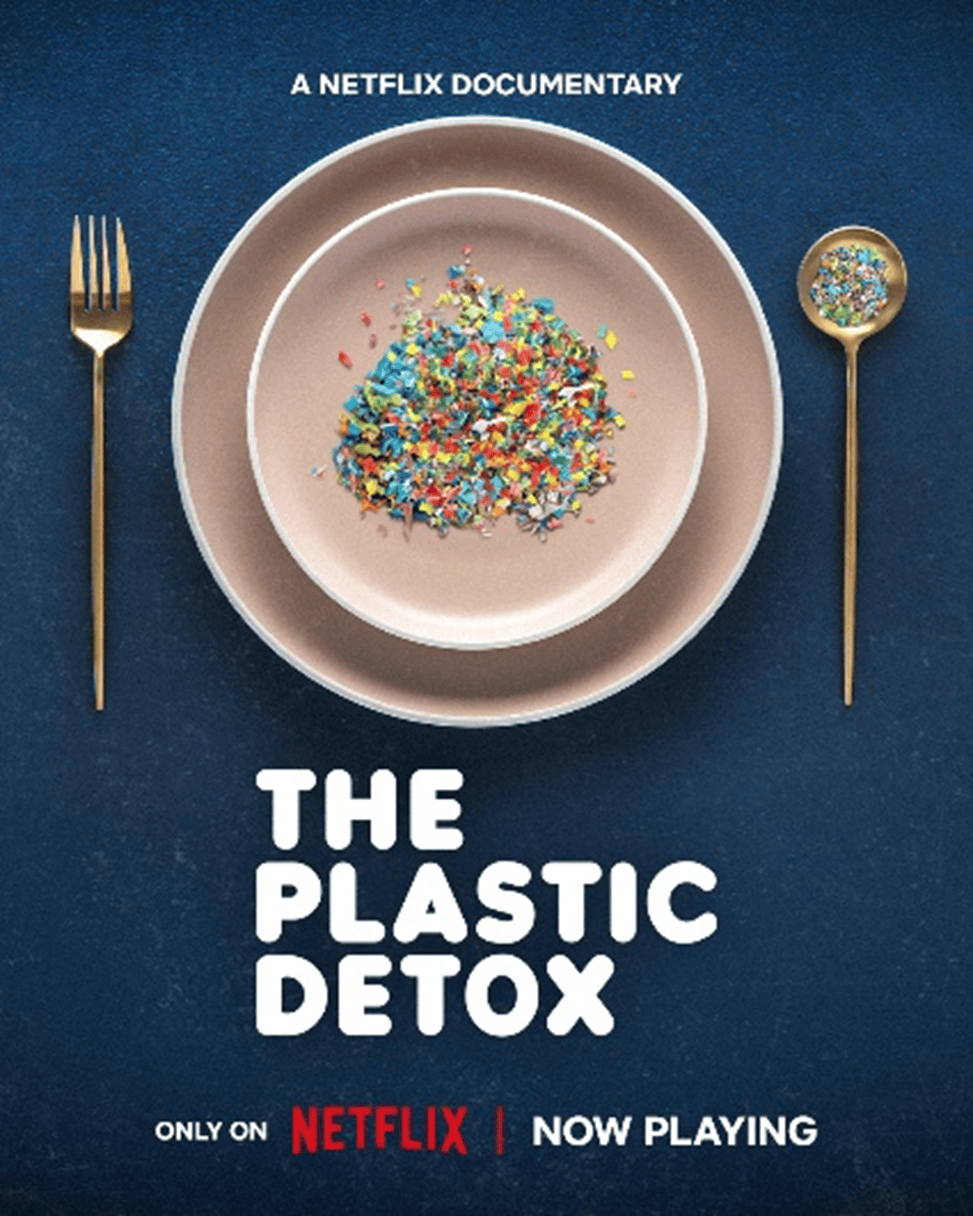
The recently released Netflix documentary The Plastic Detox offers an eye-opening exploration of the hidden dangers of the chemicals in plastics in our homes and daily lives and how it may impact fertility. It highlights concerns ranging from hormone disruption—which may contribute to declining fertility worldwide—to increasing rates of cancer and earlier occurrences of heart attack and stroke.
In the documentary, Professor Shanna H. Swan, a research scientist at the Icahn School of Medicine at Mount Sinai in New York City, explains how microplastics and their associated chemicals may affect our health—and what steps we can take to reduce our exposure. Although the documentary is not a randomized controlled trial and it doesn’t disentangle the possible placebo effects that arise when people shift their beliefs about the cause of infertility (for example, “it’s not my fault; it’s the plastics”), its central message is valid. From a psychophysiological perspective, how we interpret the causes of our health challenges can shape both our stress responses and our sense of agency.
Even with its scientific limitations, the film points toward an important concern: that environmental exposures, including plastics, play an important role in reproductive health. I also wonder whether some of the sharp “scientific critiques” of the documentary reflect more than scientific caution alone. History reminds us that industries whose profits are threatened have often worked to amplify uncertainty and delay regulation as the tobacco industry famously did for decades despite mounting evidence of harm (Maani et al., 2022; Oreskes & Conway, 2010).
I strongly recommend watching the documentary and taking steps to reduce exposure to plastics and other environmental toxins (such as glyphosate and the chemicals in air and water pollution) to support your health and that of your children. Watch it on Netflix: https://www.netflix.com/title/82074244
Listen to the in-depth discussion of this blog created with Google NotebookLM
References
Carson, R. (1962). Silent Spring. Houghton Mifflin Co. https://www.amazon.com/Silent-Spring-Rachel-Carson/dp/0395075068
Gensburg, L. J., Pantea, C., Fitzgerald, E., Stark, A., Hwang, S. A., & Kim, N. (2009). Mortality among former Love Canal residents. Environmental Health Perspectives, 117(2), 209–216. https://doi.org/10.1289/ehp.11350
Inam, Ö. (2025). Impact of microplastics on female reproductive health: Insights from animal and human experimental studies: A systematic review. Archives of Gynecology and Obstetrics, 312(1), 77–92. https://doi.org/10.1007/s00404-024-07929
Maani, N., van Schalkwyk, M. C. I., Filippidis, F. T., Knai, C., & Petticrew, M. (2022). Manufacturing doubt: Assessing the effects of independent vs. industry-sponsored messaging about the harms of fossil fuels, smoking, alcohol, and sugar-sweetened beverages. SSM – Population Health, 17, 101009. https://doi.org/10.1016/j.ssmph.2021.101009
NIH. (2026). Endocrine disruptors. National Institute of Environmental Health Sciences. Retrieved May 7, 2026, from https://www.niehs.nih.gov/health/topics/agents/endocrine/index.cfm
Oreskes, N., & Conway, E. M. (2010). Merchants of doubt: How a handful of scientists obscured the truth on issues from tobacco smoke to global warming. Bloomsbury Press. https://www.amazon.com/Merchants-Doubt-Handful-Scientists-Obscured/dp/1608193942/
Taylor, B., Skelly, D., Demarchis, L. K., Slade, M. D., Galusha, D., & Rabinowitz, P. M. (2005). Proximity to pollution sources and risk of amphibian limb malformation. Environmental Health Perspectives, 113(11), 1497–1501. https://doi.org/10.1289/ehp.7585
Corporations: The new(old) disease vectors as they choose profits over health
Posted: February 24, 2026 Filed under: Breathing/respiration, cancer, health | Tags: cancer, environment, environmental toxins, food, health, herbicides, investigative reporting, nutrition, pollution, public health, smoking, wellness 1 Comment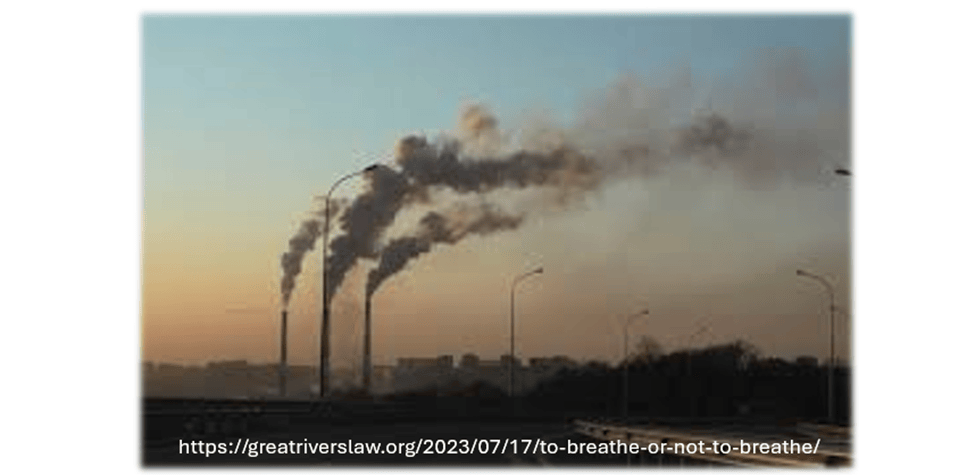
“We can invest in preventing illness now by reducing our exposure to environmental toxins — or we can pay a far higher price later trying to treat the resulting chronic and often debilitating diseases.”
Ever since the 1962 publication of Rachel Carson’s groundbreaking book, Silent Spring, which documented the harm environmental pollution caused, government has, often reluctantly, set limits intended to protect Americans from exposure to harmful chemicals in our food, air and water (Carson, 1964). These regulations did not emerge easily. As the governmental regulations were being proposed and implemented, they were consistently challenged by the very large corporations that manufactured and profited from these chemicals.
History reminds us how slowly public health protections can unfold. Consider how long it took for smoking to be prohibited in public spaces even though the harmful effects had been documented since the 1950s (Doll and Hill, 1954; Doll & Hill, 1964; Wynder & Graham,1985). For decades, the science was clear, yet policy and governmental actions were delayed. Only in the early 2000s did many states began banning smoking in workplaces, restaurants, and bars. The shift in public policy saved many lives and the reduction in smoking has been the major reason for the decrease in cancer mortality over the last twenty-five years.
We are going backwards
The Trump administration has rescinded the 2009 U.S. Environmental Protection Agency endangerment finding on greenhouse gases, loosening vehicle emission standards, and weakening pollution controls on power plants and oil and gas operations (Tabuchi, 2026). The health consequences may not appear immediately; however, they are predictable. The increased exposure today will again contribute to increased rates of cancer, respiratory illness, cardiovascular disease, and developmental disorders tomorrow.
To understand how the government regulations have been revised so that once again Americans will be more exposed to toxins in their food, air, and water, read the superb investigative report published by U.S. Right to Know whose mission is to pursuing truth and transparency for public health.
Their most recent report, Tracing Bayer’s ties to power in Trump’s Washington, describes in detail the hidden social connections, lobbying and political donations that lead “The White House to invokes the Defense Production Act to guarantee supplies of elemental phosphorus and glyphosate-based herbicides. Regulators reapprove dicamba, a Bayer herbicide twice blocked by federal courts, and clear the way for new pesticides containing toxic, persistent PFAS “forever” chemicals (Malkan, 2026).“
When regulatory safeguards weaken, corporations can once again function as disease vectors-not through infection, but through environmental exposure. By loosening the pollution standards, federal policy will negatively affect the health of both present and future generations.
I encourage you to explore many superb investigative reports and practical suggestions how to avoid these toxins exposure that are available on U.S. Right to Know website:
One exposure. Twenty generations later, the damage is still unfolding
Glyphosate: Cancer, liver disease, endocrine disruption and other health concerns
Big Food ‘transparency’ campaign seeks to block tough new food safety laws
Ultra-processed foods damage health in ways that calories don’t explain, new study says
Listen to the expanded podcast based upon this blog and created by Google Notebook LM.
See also the following blogs
References
Carson, R. (1962). Silent spring. Houghton Mifflin. https://www.amazon.com/Silent-Spring-Rachel-Carson/dp/B002E8JF6G/
Doll, R., & Hill, A. B. (1954). The mortality of doctors in relation to their smoking habits: A preliminary report. British Medical Journal, 1(4877), 1451–1455. https://doi.org/10.1136/bmj.1.4877.1451
Doll, R., & Hill, A. B. (1964). Mortality in relation to smoking: Ten years’ observations of British doctors. British Medical Journal, 1(5396), 1460–1467. https://doi.org/10.1136/bmj.1.5396.1460
Malkan, S. (2026). Tracing Bayer’s ties to power in Trump’s Washington. U.S. Right to Know. Accessed February 24, 2026. https://usrtk.org/pesticides/tracing-bayers-ties-to-power-in-trumps-washington/
Tabuchi, H. (2026). Historic Climate Rollback Makes U.S. a Global Outlier on Tailpipe Rules. The New York Times, February 16, 2026. Accessed February 24, 2026 https://www.nytimes.com/2026/02/16/climate/endangerment-finding-auto-emissions-regulations.html
Wynder, E.L., & Graham, A. (1985). JAMA, 253 (20), 2986-2994. https://doi.org/10.1001/jama.1985.03350440064033