From Mutation to Metabolism: A Broader View of Cancer Development
Posted: August 18, 2026 Filed under: behavior, cancer, Evolutionary perspective, healing, health, lifestyle, self-healing | Tags: cancer, environmental toxins, genetics, glucose, health, Metabolic Theory, metabolism, mitochondria, nutrition, Somatic Mutation Theory, Warburg effect, wellness Leave a commentErik Peper, PhD, BCB1 and Richard Harvey, PhD2
1 Biofeedback Health, Berkeley, CA and 2 Institute for Holistic Health, San Francisco State University
My aunt died of breast cancer and my mother was an identical twin. She and her sister resembled each other so closely that family members often couldn’t tell them apart. For the first 26 years of their lives, they both lived in Amsterdam. After they married, they moved to different cities. At the age of 82, my mother’s twin was diagnosed with breast cancer with metastasis to the brain and died that year. For my mother, this was one of the most devastating experiences of her life. It was as if half of her had died. Even with this loss, my mother never developed cancer and lived to the age of 95. The situation became even more complicated when my cousin (the daughter of my mother’s twin) also died of breast cancer at the age of 53, while my mother’s two daughters remained cancer-free. -Erik Peper, PhD. Reproduced by permission from Peper, Gorter and Faass (2026).
Cancer, with a capital ‘C’ along with each of the many kinds of malignant cellular processes is often understood primarily in terms of a disease driven by genetic mutations. This blog begins with observations from twin studies along with ongoing and emerging research suggests that genetics may represent susceptibility rather than destiny. In the case of identical twins, the experience of developing different cancer outcomes illustrates the importance of environmental exposures, lifestyle choices, specific metabolism interactions, immune functions, and particular cellular physiology.
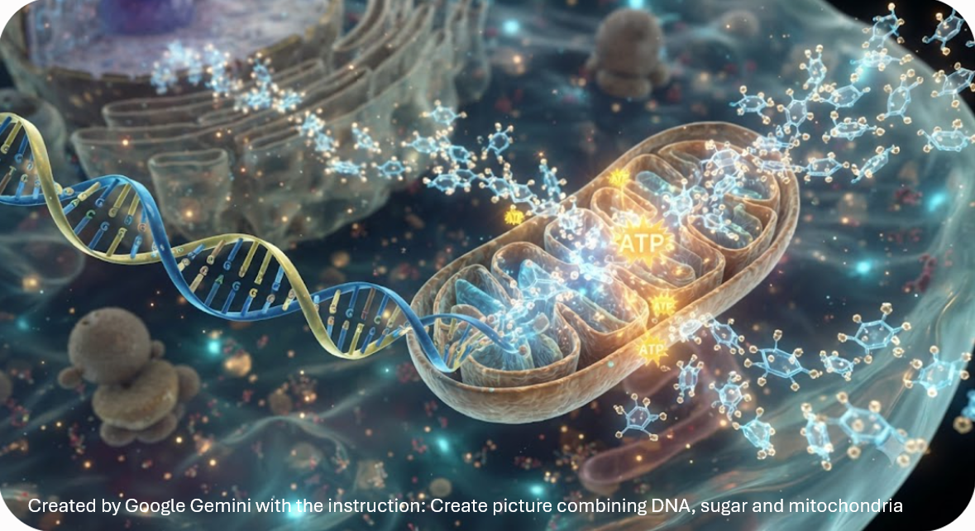
The blog examines prevalent hypotheses about cancer processes which acknowledge interactions and functions such as immune, metabolic and evolutionary pressures. In particular, the paper argues in favor of revisiting the Warburg effect and the role of mitochondrial dysfunction in cancer development. The Warburg metabolic theory proposes that impaired mitochondrial energy production may drive cells toward an ancient survival pathway characterized by increased glucose fermentation, loss of specialized cellular function, and uncontrolled or unregulated proliferation. This perspective does not reject the strong role of genetics in cancer processes but rather places DNA and RNA within a broader biological context influenced by metabolism, epigenetics, and the environment. Understanding cancer as a systemic metabolic disorder may expand prevention strategies and complement existing treatments by emphasizing lifestyle, environmental, and metabolic interventions.
Twin Studies: Genetics as Predisposition, Not Destiny
For decades, research on cancer causes and treatments has been dominated by the Somatic Mutation Theory (SMT), which proposes that cancers arise through the accumulation of DNA mutations (Weinberg, 2023; Huang et al., 2025). This SMT framework has guided the “War on Cancer” and has led to remarkable advances in targeted therapies, chemotherapy, immunotherapy, and radiation treatments. These strategies have saved countless lives, yet they primarily focus on eliminating malignant cells rather than understanding why normal cells become malignant in the first place. While a variety of mutation-focused approaches has yielded remarkable therapeutic successes, one could expect that genetically identical individuals would develop the same or similar cancers.
Decades of twin research suggests otherwise. In the landmark Nordic Twin Study of Cancer, Lichtenstein and colleagues (2000) analyzed nearly 45,000 pairs of monozygotic (identical) and dizygotic (fraternal) twins from Sweden, Denmark, and Finland. If one identical twin developed cancer, the co-twin’s probability of developing the same cancer was about 10% which is much lower than expected if inherited genes alone determined cancer risk. Heritable factors accounted for only a portion of susceptibility (approximately 27% for breast cancer, 35% for colorectal cancer, and 42% for prostate cancer). The remaining risk was attributed largely to environmental influences, lifestyle, aging, and biological processes that occur during life (Lichtenstein et al., 2000; Mucci et al., 2016; Harris et al., 2019).
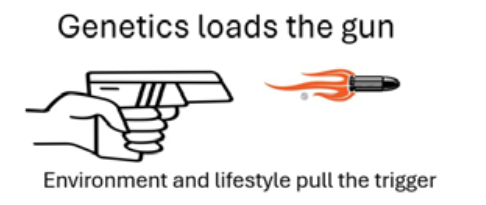
Both specific cancer investigations along with epidemiological findings across many places, people, and types of cancers suggest that genes create a predisposition, but they do not inevitably determine whether cancer develops. Instead, the cellular environment, metabolic health, environmental exposures, and epigenetic regulation strongly influence whether that predisposition is expressed. Simplistically stated, Genetics loads the gun and lifestyle and environment pulls the trigger (Peper et al., 2026).
The success of cancer treatments based on current oncology theories means that the Somatic Mutation Theory (SMT) provides a partial explanation of cancer processes. Extending the SMT of carcinogenesis to include Warburg-like theories has led to increasing evidence which suggests that metabolic dysfunction, mitochondrial injury, chronic inflammation, immune dysregulation, and environmental exposures all contribute to carcinogenesis. A useful framing of cancer risk related to inherent or heritable factors in comparison to non-intrinsic or non-genetic factors has been described by others (Brennan & Davey-Smith, 2022; Karras et al., 2024; Rahman et al., 2018; Wu et al., 2018).
For example, Wu et al., (2018) suggest that it is not possible to modify ‘random errors in DNA replication’ as an intrinsic risk factor, it is possible to partially modify endogenous risk factors related to inflammation or hormone production or fully mediate or modify directly and indirectly moderate non-genetic exogenous risk factors associated with toxic carcinogenic exposures that include exposures to some products from carcinogenic interactions with bacterial, viral, fungal and parasitic products, tobacco products, ultra-processed food and beverage products and chemicals (e.g., preservatives, pesticides, contaminants, dyes, non-nutritive chemicals such as sweeteners), industrial pollutant and chemical products (e.g. endocrine disrupting ‘forever’ chemicals such as in plastics), and lifestyle moderators such as lack of sleep, exercise, relaxation from mental ruminations and strain. A simplified model pathway would be: Risk of cancer is based on intrinsic genetic factors plus non-intrinsic endogenous and exogenous ‘epigenetic’ factors moderated by individual adaptive capacity to reduce endogenous or mitigate exogenous non-intrinsic factors.
Rather than competing explanations, mechanisms of cancerous disease processes may interact to determine whether genetically susceptible cells remain healthy or progress toward malignancy. These factors may explain that the overall cancer mortality has declined substantially over the past several decades and is predominantly due to the decreased tobacco use, earlier detection, and improvements in treatment. At the same time, the incidence of several cancers, including colorectal and breast cancer, has increased among younger adults (Siegel et al., 2025; American Cancer Society, 2024; Ugai et al., 2022; Lee, 2026). These trends suggest that additional biological and environmental factors deserve closer examination. Beyond regulating exposure to lifestyle factors such as tobacco products as a mediator of reduced cancer mortality, theories by Warburg and colleagues have pointed to metabolic regulation, including regulation of sugars, as a mediator in cancer mortality.
The Metabolic Origin: Revisiting the Warburg Effect
An alternative framework proposes that cancer is fundamentally a disorder of cellular metabolism. This concept dates back to Otto Warburg, who received the 1931 Nobel Prize in Physiology or Medicine for discovering that cancer cells exhibit a distinctive pattern of energy metabolism (Bononi et al., 2022; Otto, 2016; Nobel Prize Outreach, 2026). He showed that cancer cells rely predominantly on glucose fermentation, an anerobic process for making energy without oxygen (e.g. glucose splits into pyruvate and makes two adenosine triphosphate molecules) which is much less efficient than making energy through oxidative phosphorylation, even when oxygen is abundant in a cancer cell. The vast majority of cancerous cell growth depends on a less efficient glucose metabolism form of energy (Kim, 2017; Warburg, Negelein & Posener, 1924). The Warburg effect has been recognized as a hallmark of cancer for nearly a century (Seyfried & Chinopoulos, 2021).
Non-cancerous healthy cells mainly generate energy by producing ATP through oxidative phosphorylation within the mitochondria. Healthy cells are metabolically flexible and can generate energy from both glucose and free fatty acid oxidation (FAO). During periods of fasting, exercise, or carbohydrate restriction, triglycerides stored in adipose tissue are broken down into free fatty acids and glycerol (Eberle, 2013). The liver also converts free fatty acids into ketone bodies, which provide an efficient alternative fuel for the brain and many other tissues when glucose availability is reduced (Wakil & Abu-Elheiga, 2009; Edwards & Mohiuddin, 2023).
When mitochondrial respiration is chronically impaired by environmental toxins, oxidative stress, metabolic dysfunction, or other factors associated with carcinogenesis, cells may shift from efficient oxidative phosphorylation to a more primitive, glycolytic mode of energy production that can generate ATP in the absence of oxygen. Mitochondrial function can decline as people age when accumulation of reactive oxygen species which can directly harm mitochondrial DNA (Bondy, 2024; Cui et al., 2012; Madamanchi & Runge, 2007). In addition, mitochondrial function can also decline due to the indirect moderating effects of lifestyle choices (Caturano et al., 2025; Lemos et al., 2023; San-Millán, 2023).
As described by Miwa et al., (2022), when mitochondrial function declines, mitochondrial dysfunction can contribute to cellular senescence which is the hallmarks of aging. As a response healthy cells can progressively relinquishes their specialized role within the tissue and adopts characteristics of a more ancestral, less differentiated state (Zhang et al., 2025).
Zhang et al. (2025) suggests a few mechanisms which explain the shift of healthy cells away from specialized states towards a less differentiated state, such as shifts in the tricarboxylic acid cycle (TCA) which rely on healthy mitochondria to produce cofactors such as acetyl-CoA and positively charged Nicotinamide Adenine Dinucleotide (NAD+), along with drops in chromatin, inhibiting DNA and histone demthylases (locking chromatin in a hyper-methylated state, and an upregulation of glycolysis. Additionally, cells ‘sense’ when mitochondria have low energy production such as a high ratio of adenosine mono-phosphate or di-phosphate (AMP/ADP) to adenosine tri-phosphate (ATP), which then leads to the AMP-activated protein kinase (AMP-K) pathway (Mihaylova & Shaw, 2011). Finally, hypoxia-inducing factor (HIF) signaling is how cells ‘sense’ and adapt to changes in available oxygen, and HIF binds to DNA, activating specific genes (Huang et al., 2023). The Warburg theory suggests that when mitochondrial dysfunction directly or indirectly reduces oxidative phosphorylation, the cells shift energy production from the mitochondria to cytoplasmic glycolysis which is a hallmark of unicellular ‘ancestral’ organisms or more embryonic or stem-like cellular activity (Suomalainen, & Nunnari, 2024; Zong et al., 2024).
It is as if your cells suddenly forget they’re part of a team. Instead of working together like citizens in a well-organized society, they revert to their most primitive programming; the “me first” mentality of our single-celled ancestors. This is what happens in cancer where sophisticated multicellular cooperation gets hijacked by an ancient survival script buried deep in our biological software. Sonnenschein and Soto (1999) describe this process in their book The Society of Cells (1999), “the default state of cells is proliferation.” In other words, multiplication isn’t some aberrant behavior; it’s actually the factory setting when single cells began. Every cell carries this “go forth and multiply” command like prehistoric programming code.
In healthy tissue, cells have learned to override this ancient impulse. They’ve evolved sophisticated “stop” signals, quality control mechanisms, and cooperative protocols that keep the peace. Cancer occurs when these civilized controls break down, and cells revert to their evolutionary factory settings—endless growth, damn the consequences.
It’s as if your cells suddenly decide to ignore millions of years of evolutionary teamwork and go back to playing by the rules that worked when life was just lone microbes floating in primordial soup.
Under Survival Threat, Organisms Revert to Their Oldest Survival Mechanisms
The same regression process can be observed in human beings. When children experience overwhelming stress, they often revert to earlier developmental behaviors, such as becoming incontinent or seeking protection by hiding behind a parent. Similarly, when adults perceive an immediate threat to survival, the stress response is not always fight or flight. Instead, the body may enter a freeze response characterized by profound immobilization.
This freeze response represents an ancient survival strategy that is activated when the nervous system perceives extreme, life-threatening danger. In this state, heart rate slows, metabolism is reduced, and movement is inhibited through activation of the dorsal vagal complex which is the evolutionarily older branch of the vagus nerve according to polyvagal theory, (Porges, 2023). For reptiles and other primitive vertebrates, this physiological strategy can increase the likelihood of survival until the danger has passed.
Metabolic Theory in Context
A ‘metabolic perspective’ related to carcinogenicity, or related to reversion to more primitive types of behaviors, does not dismiss the importance of genetics. Rather, a metabolic perspective places genetic mutations within a broader biological framework in which metabolism, mitochondrial integrity, immune surveillance, environmental exposures, and epigenetic regulation interact to determine whether a cell remains healthy, or progresses toward malignancy. From this perspective, cancer represents more than the accumulation of genetic mutations. It reflects a regression to an ancient cellular survival program in which energy production and reproduction, rather than specialized function and cooperation with neighboring cells, becomes the overriding priority. Genetic mutations may therefore be viewed not only as the initiating a set of complex interactions that reflect causes of cancer but also as downstream consequences of chronic metabolic dysfunction and mitochondrial damage.
If cancer represents the activation of an evolutionarily ancient cellular survival program triggered by metabolic dysfunction, then interventions that improve metabolic health can reduce risk associated with carcinogenesis which complement conventional treatment. As Dang (2012) points out, “excessive caloric intake is associated with an increased risk for cancers, while caloric restriction is protective, perhaps through clearance of mitochondria or mitophagy, thereby reducing oxidative stress.”
One practical implication is for people to follow often repeated advice: decrease the availability of rapidly absorbed carbohydrates by minimizing the consumption of sugar-sweetened beverages, refined starches, and ultra-processed foods while emphasizing whole, nutrient-dense foods. Broadly stated, such dietary changes in sugar intake can improve metabolic resilience, reduce chronic inflammation, and create a physiological environment that is less favorable for the metabolic adaptations observed in many cancers. Although additional clinical research continues to provide evidence supporting the effectiveness of ‘lifestyle’ and epigenetic strategies across different cancer types, the metabolic perspective offers a compelling framework for prevention and adjunctive therapy.
The metabolic theory of cancer based upon the Warburg effect offers hope in treatment by reducing glucose availability may help slow the growth of some cancers. The process is described clearly by Professor Thomas Seyfried of Boston College (Seyfried et al., 2014; Seyfried et al., 2021). His metabolic theory remains an active area of research, however is not the current consensus view on cancer biology. Consider watching the compelling overview of this metabolic theory presented by Professor Thomas Seyfried’s in his YouTube lecture, Cancer as a Metabolic Disease,
What can you do to reduce cancer risk and support healing
The metabolic theory of cancer presented in this paper suggests behavioral and lifestyle strategies to reduce cancer risk and slow or prevent cancer growth. Simply stated, reduce excessive glucose availability which becomes the main energy source for cancer cells. Clinical improvement may be possible if cancer cells are put on a diet (Stetka, 2016). Changing diet is one component to optimize what you can do to reduce cancer risk, support our immune system to promote healing and optimize health although the outcome is not totally in our hands. Implement the following environmental and lifestyle behaviors promote health and healing.
Reduce and eliminate ultra-processed foods, simple carbohydrates and sugar. These increase the risk of cancers by 20 to 50 percent. Sadly, many patients undergoing chemo and radiation therapy and have difficulty with swallowing, are recommended to drink oral caloric rich supplements (such as Ensure Plus or Boost Very High Calorie) that are specially formulated to provide dense calories and protein in a small volume. They contain between 15 to 22 grams of sugar (1 to 2 tablespoons of sugar) in an 8 ounce serving– the sugar which paradoxically encourages cancer growth.
Reduce and eliminate exposure to endocrine disruptors. These are chemicals that can mimic, block, or interfere with the body’s hormones, due to higher estrogen levels (in milk and beef, for example) and pesticides (some of which act as estrogen mimics). This means eliminating as much as possible all plastics and eat mainly organic foods that do not contain herbicides or pesticides. If possible, eat organic foods.
Reduce air and water pollution that are known factors to cause cancers. This means use air and water filters at home since more than 50% of drinking water in the United States contain cariogenic substances and air pollution from car or fires are harmful.
Increase physical activity. Movement/exercise is important because that reduces lymphatic circulation and blood flow, impacting the immune system in the long term.
For detailed information and recommendations what you can use to reduce cancer risk and optimize health, see our book, Cancer Reconsidered-Why Environment, Lifestyle and Immunity Matter more than we thought.
Additional relevant blogs
References
American Cancer Society. (2024). Cancer facts & figures 2024. https://doi.org/10.3322/caac.21820
Bondy, S. C. (2024). Mitochondrial dysfunction as the major basis of brain aging. Biomolecules, 14(4), 402. https://doi.org/10.3390/biom14040402
Bononi, G., Masoni, S., Di Bussolo, V., Tuccinardi, T., Granchi, C., & Minutolo, F. (2022). Historical perspective of tumor glycolysis: A century with Otto Warburg. Seminars in Cancer Biology, 86, 325–333. https://doi.org/10.1016/j.semcancer.2022.07.003
Brennan, P., & Davey-Smith, G. (2022). Identifying novel causes of cancers to enhance cancer prevention: New strategies are needed. Journal of the National Cancer Institute, 114(3), 353–360. https://doi.org/10.1093/jnci/djab204
Caturano, A., Rocco, M., Tagliaferri, G., Piacevole, A., Nilo, D., Di Lorenzo, G., Iadicicco, I., Donnarumma, M., Galiero, R., Acierno, C., Sardu, C…., (2025). Oxidative stress and cardiovascular complications in type 2 diabetes: From pathophysiology to lifestyle modifications. Antioxidants, 14(1), Article 72. https://doi.org/10.3390/antiox14010072
Cui, H., Kong, Y., & Zhang, H. (2012). Oxidative stress, mitochondrial dysfunction, and aging. Journal of Signal Transduction, 2012, Article 646354. https://doi.org/10.1155/2012/646354
Dang, C. V. (2012). Links between metabolism and cancer. Genes & Development, 26(9), 877–890. https://doi.org/10.1101/gad.189365.112
Eberle, S. G. (2013). The body’s fuel sources. In Endurance sports nutrition (3rd ed., pp. 31–53). Human Kinetics.https://us.humankinetics.com/blogs/excerpt/the-bodys-fuel-sources
Edwards, M., & Mohiuddin, S. S. (2023, July 17). Biochemistry, lipolysis. In StatPearls. StatPearls Publishing. https://www.ncbi.nlm.nih.gov/books/NBK560564/
Hanahan, D. (2026). The hallmarks of cancer: 25 years guiding discovery and therapy. Cell, 189. https://www.cell.com/cell/fulltext/S0092-8674(26)00334-X
Hanahan, D., & Weinberg, R. A. (2011). Hallmarks of cancer: The next generation. Cell, 144(5), 646–674. https://doi.org/10.1016/j.cell.2011.02.013
Harris, J. R., Hjelmborg, J., Adami, H.-O., Czene, K., Mucci, L., & Kaprio, J. (2019). The Nordic Twin Study on Cancer (NorTwinCan). Twin Research and Human Genetics, 22(6), 817–823. https://doi.org/10.1017/thg.2019.71
Huang, S., Soto, A. M., & Sonnenschein, C. (2025). The end of the genetic paradigm of cancer. PLOS Biology, 23(3), Article e3003052. https://doi.org/10.1371/journal.pbio.3003052
Huang, X., Zhao, L., & Peng, R. (2023). Hypoxia-inducible factor 1 and mitochondria: An intimate connection. Biomolecules, 13(1), Article 50. https://doi.org/10.3390/biom13010050
Karras, P., Black, J. R. M., McGranahan, N., & Marine, J.-C. (2024). Decoding the interplay between genetic and non-genetic drivers of metastasis. Nature, 629(8012), 543–554. https://doi.org/10.1038/s41586-024-07302-6
King, M.-C., Marks, J. H., & Mandell, J. B. (2003). Breast and ovarian cancer risks due to inherited mutations in BRCA1 and BRCA2. Science, 302(5645), 643–646. https://doi.org/10.1126/science.1088759
Kim, S. Y. (2017). Cancer energy metabolism: Shutting power off cancer factory. Biomolecules & Therapeutics, 26(1), 39–44. https://doi.org/10.4062/biomolther.2017.184
Lee, I. (2026). The increase of early-onset colorectal cancer: New insights and emerging hypotheses. Cancer Control, 33, Article 10732748261432271. https://doi.org/10.1177/10732748261432271
Lemos, G. O., Torrinhas, R. S., & Waitzberg, D. L. (2023). Nutrients, physical activity, and mitochondrial dysfunction in the setting of metabolic syndrome. Nutrients, 15(5), Article 1217. https://doi.org/10.3390/nu15051217
Lichtenstein, P., Holm, N. V., Verkasalo, P. K., Iliadou, A., Kaprio, J., Koskenvuo, M., Pukkala, E., Skytthe, A., & Hemminki, K. (2000). Environmental and heritable factors in the causation of cancer: Analyses of cohorts of twins from Sweden, Denmark, and Finland. New England Journal of Medicine, 343(2), 78–85. https://doi.org/10.1056/NEJM200007133430201
Madamanchi, N. R., & Runge, M. S. (2007). Mitochondrial dysfunction in atherosclerosis. Circulation Research, 100(4), 460–473. https://doi.org/10.1161/01.RES.0000258450.44413
Mihaylova, M. M., & Shaw, R. J. (2011). The AMPK signalling pathway coordinates cell growth, autophagy and metabolism. Nature Cell Biology, 13, 1016–1023. https://doi.org/10.1038/ncb2329
Miwa, S., Kashyap, S., Chini, E., & von Zglinicki, T. (2022). Mitochondrial dysfunction in cell senescence and aging. Journal of Clinical Investigation, 132(13), Article e158447. https://doi.org/10.1172/JCI158447
Mucci, L. A., Hjelmborg, J. B., Harris, J. R., et al. (2016). Familial risk and heritability of cancer among twins in Nordic countries: The Nordic Twin Study of Cancer (NorTwinCan) collaboration. JAMA, 315(1), 68–78. https://doi.org/10.1001/jama.2015.17703
Mukherjee, S. (2025). The emperor of all maladies: A biography of cancer. Scribner. https://www.amazon.com/Emperor-All-Maladies-Biography-Cancer/dp/1668047039/
National Institutes of Health. (2025, April 21). Annual report to the nation: Cancer deaths continue to decline [Media advisory]. NIH News Releases. https://www.nih.gov/news-events/news-releases/annual-report-nation-cancer-deaths-continue-decline
Nobel Prize Outreach. (2026). Otto Warburg—Biographical. NobelPrize.org. Retrieved August 11, 2026, from https://www.nobelprize.org/prizes/medicine/1931/warburg/biographical/
Otto, A. M. (2016). Warburg effect(s)—A biographical sketch of Otto Warburg and his impacts on tumor metabolism. Cancer & Metabolism, 4(1), Article 5. https://doi.org/10.1186/s40170-016-0145-9
Peper, E., Gorter, R., & Faass, N. (2026). Cancer reconsidered: Why environment, lifestyle, and immunity matter more than we thought. BiofeedbackHealth/Regent Press. https://www.amazon.com/Cancer-Reconsidered-Environment-Lifestyle-Immunity/dp/1587907402
Porges, S. W. (2023). The vagal paradox: A polyvagal solution. Comprehensive Psychoneuroendocrinology, 16, Article 100200. https://doi.org/10.1016/j.cpnec.2023.100200
Rahman, M. S., Suresh, S., & Waly, M. I. (2018). Risk factors for cancer: Genetic and environment. In Bioactive Components, Diet and Medical Treatment in Cancer Prevention (pp. 1-23). Springer International Publishing. https://doi.org/10.1007/978-3-319-75693-6_1
San-Millán, I. (2023). The key role of mitochondrial function in health and disease. Antioxidants, 12(4), Article 782. https://doi.org/10.3390/antiox12040782
Seyfried, T. N., & Chinopoulos, C. (2021). Can the mitochondrial metabolic theory explain better the origin and management of cancer than can the somatic mutation theory? Metabolites, 11(9), Article 572. https://doi.org/10.3390/metabo11090572
Seyfried, T. N., Flores, R. E., Poff, A. M., & D’Agostino, D. P. (2014). Cancer as a metabolic disease: Implications for novel therapeutics. Carcinogenesis, 35(3), 515–527. https://doi.org/10.1093/carcin/bgt480
Seyfried, T. N., Lee, D. C., Duraj, T., et al. (2025). The Warburg hypothesis and the emergence of the mitochondrial metabolic theory of cancer. Journal of Bioenergetics and Biomembranes, 57, 57–83. https://doi.org/10.1007/s10863-025-10059-w
Siegel, R. L., Kratzer, T. B., Giaquinto, A. N., Sung, H., & Jemal, A. (2025). Cancer statistics, 2025. CA: A Cancer Journal for Clinicians, 75(1), 10–45. https://doi.org/10.3322/caac.21871
Sonnenschein, C., & Soto, A. M. (1999). The society of cells: Cancer and control of cell proliferation. BIOS Scientific Publishers. https://www.amazon.com/Society-Cells-Carlos-Sonnenschein/dp/1859962769
Stetka, B. (2016, March 5). Fighting cancer by putting tumor cells on a diet. NPR. https://www.npr.org/sections/health-shots/2016/03/05/468285545/fighting-cancer-by-putting-tumor-cells-on-a-diet
Suomalainen, A., & Nunnari, J. (2024). Mitochondria at the crossroads of health and disease. Cell, 187(11), 2601–2627. https://doi.org/10.1016/j.cell.2024.04.037
Ugai, T., Sasamoto, N., Lee, H. Y., Ando, M., Song, M., Tamimi, R. M., … Ogino, S. (2022). Is early-onset cancer an emerging global epidemic? Current evidence and future implications. Nature Reviews Clinical Oncology, 19(10), 656–673. https://doi.org/10.1038/s41571-022-00672-8
Wakil, S. J., & Abu-Elheiga, L. A. (2009). Fatty acid metabolism: Target for metabolic syndrome. Journal of Lipid Research, 50(Suppl.), S138–S143. https://doi.org/10.1194/jlr.R800079-JLR200
Warburg, O., Negelein, E. & Posener, K. Versuche an Überlebendem Carcinomgewebe. Klin Wochenschr 3, 1062–1064 (1924). https://doi.org/10.1007/BF01736087
Weinberg, R. A. (2023). The biology of cancer. W. W. Norton & Company. https://www.amazon.com/Biology-Cancer-Robert-Weinberg/dp/0393887650
Wu, S., Zhu, W., Thompson, P., & Hannun, Y. A. (2018). Evaluating intrinsic and non-intrinsic cancer risk factors. Nature Communications, 9(1), Article 3490. https://doi.org/10.1038/s41467-018-05467-z
Zhang, Y., Tang, J., Jiang, C., Yi, H., Guang, S., Yin, G., & Wang, M. (2025). Metabolic reprogramming in cancer and senescence. MedComm, 6(3), Article e70055. https://doi.org/10.1002/mco2.70055
Zong, Y., Li, H., Liao, P., et al. (2024). Mitochondrial dysfunction: Mechanisms and advances in therapy. Signal Transduction and Targeted Therapy, 9, 124. https://doi.org/10.1038/s41392-024-01839-8
Edited with the help of ChatGPT
 the peper perspective