Screens will hurt your children
Posted: March 11, 2014 Filed under: Uncategorized | Tags: ADHD, attention, cell phones, exercise, smart phones, tablets 5 CommentsWe park children in front of tablets, smartphone, computers and TVs. The visual and auditory stimulation captures their attention. It is a superb baby sitter. We substitute electronic displays for human attention.

To distract the baby at dinner in a restaurant, we hand the baby a smartphone. To have some private time, we let the child play games on the tablet. To reduce stress before dinner, we hand the child the tablet to watch video clips or play games. The short term benefits of letting handheld devices capture the child’s attention may have long term costs.
The child sits, sits and sits while being captured by the rapid changing visual scenes and auditory sounds instead of playing and enhancing motor development. The addictiveness of electronic devices occurs because we automatically attend to and are captured by rapidly changing stimuli—it is new and could be dangerous. This reaction to attend which is continuously evoked by the handheld devices may occur at the expense of developing self-directed attention.
The handheld devices expose the brain and dividing cells to electromagnetic radiation which can harmful. This is the radiation by which hand held devices communicates with connect cell phone towers or the server as it connects to the web.
From the precautionary principle and the numerous research studies, young children should limit the use of hand held devices. I totally agree with Cris Rowan’s superb blog, 10 Reasons Why Handheld Devices Should Be Banned for Children Under the Age of 12, which is reprinted below with her permission.
10 Reasons Why Handheld Devices Should Be Banned for Children Under the Age of 12
Cris Rowan pediatric occupational therapist, biologist, speaker, author
The American Academy of Pediatrics and the Canadian Society of Pediatrics state infants aged 0-2 years should not have any exposure to technology, 3-5 years be restricted to one hour per day, and 6-18 years restricted to 2 hours per day (AAP 2001/13, CPS 2010). Children and youth use 4-5 times the recommended amount of technology, with serious and often life threatening consequences (Kaiser Foundation 2010, Active Healthy Kids Canada 2012). Handheld devices (cell phones, tablets, electronic games) have dramatically increased the accessibility and usage of technology, especially by very young children (Common Sense Media, 2013). As a pediatric occupational therapist, I’m calling on parents, teachers and governments to ban the use of all handheld devices for children under the age of 12 years. Following are 10 research-based reasons for this ban. Please visit zonein.ca to view the Zone’s Fact Sheet for referenced research.
1. Rapid brain growth
Between 0 and 2 years, infant’s brains triple in size and continue in a state of rapid development to 21 years of age (Christakis 2011). Early brain development is determined by environmental stimuli or lack thereof. Stimulation to a developing brain caused by overexposure to technologies (cell phones, internet, iPads, TV), has been shown to be associated with executive functioning and attention deficit, cognitive delays, impaired learning, increased impulsivity and decreased ability to self-regulate e.g. tantrums (Small 2008, Pagini 2010).
2. Delayed Development
Technology use restricts movement, which can result in delayed development. One in three children now enter school developmentally delayed, negatively impacting literacy and academic achievement (HELP EDI Maps 2013). Movement enhances attention and learning ability (Ratey 2008). Use of technology under the age of 12 years is detrimental to child development and learning (Rowan 2010).
3. Epidemic Obesity
TV and video game use correlates with increased obesity (Tremblay 2005). Children who are allowed a device in their bedrooms have 30% increased incidence of obesity (Feng 2011). One in four Canadian, and one in three U.S. children are obese (Tremblay 2011). 30% of children with obesity will develop diabetes, and obese individuals are at higher risk for early stroke and heart attack, gravely shortening life expectancy (Center for Disease Control and Prevention 2010). Largely due to obesity, 21st century children may be the first generation many of whom will not outlive their parents (Professor Andrew Prentice, BBC News 2002).
4. Sleep Deprivation
60% of parents do not supervise their child’s technology usage, and 75% of children are allowed technology in their bedrooms (Kaiser Foundation 2010). 75% of children aged 9 and 10 years are sleep deprived to the extent that their grades are detrimentally impacted (Boston College 2012).
5. Mental Illness
Technology overuse is implicated as a causal factor in rising rates of child depression, anxiety, attachment disorder, attention deficit, autism, bipolar disorder, psychosis and problematic child behavior (Bristol University 2010, Mentzoni 2011, Shin 2011, Liberatore 2011, Robinson 2008). One in six Canadian children have a diagnosed mental illness, many of whom are on dangerous psychotropic medication (Waddell 2007).
6. Aggression
Violent media content can cause child aggression (Anderson, 2007). Young children are increasingly exposed to rising incidence of physical and sexual violence in today’s media. “Grand Theft Auto V” portrays explicit sex, murder, rape, torture and mutilation, as do many movies and TV shows. The U.S. has categorized media violence as a Public Health Risk due to causal impact on child aggression (Huesmann 2007). Media reports increased use of restraints and seclusion rooms with children who exhibit uncontrolled aggression.
7. Digital dementia
High speed media content can contribute to attention deficit, as well as decreased concentration and memory, due to the brain pruning neuronal tracks to the frontal cortex (Christakis 2004, Small 2008). Children who can’t pay attention can’t learn.
8. Addictions
As parents attach more and more to technology, they are detaching from their children. In the absence of parental attachment, detached children can attach to devices, which can result in addiction (Rowan 2010). One in 11 children aged 8-18 years are addicted to technology (Gentile 2009).
9. Radiation emission
In May of 2011, the World Health Organization classified cell phones (and other wireless devices) as a category 2B risk (possible carcinogen) due to radiation emission (WHO 2011). James McNamee with Health Canada in October of 2011 issued a cautionary warning stating “Children are more sensitive to a variety of agents than adults as their brains and immune systems are still developing, so you can’t say the risk would be equal for a small adult as for a child.” (Globe and Mail 2011). In December, 2013 Dr. Anthony Miller from the University of Toronto’s School of Public Health recommend that based on new research, radio frequency exposure should be reclassified as a 2A (probable carcinogen), not a 2B (possible carcinogen). American Academy of Pediatrics requested review of EMF radiation emissions from technology devices, citing three reasons regarding impact on children (AAP 2013).
10. Unsustainable
The ways in which children are raised and educated with technology are no longer sustainable (Rowan 2010). Children are our future, but there is no future for children who overuse technology. A team-based approach is necessary and urgent in order to reduce the use of technology by children. Please reference below slide shows on www.zonein.ca under “videos” to share with others who are concerned about technology overuse by children.
Problems – Suffer the Children – 4 minutes
Solutions – Balanced Technology Management – 7 minutes
The following Technology Use Guidelines for children and youth were developed by Cris Rowan, pediatric occupational therapist and author of Virtual Child; Dr. Andrew Doan, neuroscientist and author of Hooked on Games; and Dr. Hilarie Cash, Director of reSTART Internet Addiction Recovery Program and author of Video Games and Your Kids, with contribution from the American Academy of Pediatrics and the Canadian Pediatric Society in an effort to ensure sustainable futures for all children.
Technology Use Guidelines for Children and Youth

Please contact Cris Rowan at info@zonein.ca for additional information. © Zone’in February
Follow Cris Rowan on Twitter: www.twitter.com/zoneinprograms
Great resource: Dr. Mike Evans-The Single Most Important Thing You Can Do for Your Stress
Posted: February 6, 2014 Filed under: self-healing, stress management, Uncategorized | Tags: anxiety, exercise, healing, hypertension, mind-body, stress management 1 CommentA major factor that contributes to illness and health is how we cope with stress. Learning stress management techniques and integrating them into our daily life can significantly reduce illness and discomfort. Patients report significant improvement in numerous disorders such as hypertension, headaches, cancer, pain, or arthritis.
A great health resource are the short YouTube videos by Dr. Mike Evans who is founder of the Health Design Lab at the Li Ka Shing Knowledge Institute, an Associate Professor of Family Medicine and Public Health at the University of Toronto, and a staff physician at St. Michael’s Hospital. His informative short video clips cover a range of medical conditions from concussions to stopping smoking (see his website: http://www.myfavouritemedicine.com).
Watch the following video presentation on The Single Most Important Thing You Can Do for Your Stress.
Harmony and Homeostasis. Youtube interview of Erik Peper, PhD, by Larry Berkelhammer, PhD
Posted: January 9, 2014 Filed under: Uncategorized | Tags: exercise, healing, mind-body, stress management Leave a commentIn this interview with Dr. Larry Berkelhammer, Dr. Erik Peper discusses the statement from the World Health Organization “Disease is a rupture in life’s harmony”. He also offers two pragmatic behavioral approaches to optimize health:
- Observe energy drains and gains and then decrease energy drains and increase energy gains
- Take movement breaks to increase energy and prevent immobility syndrome
From Wisdom to Alzheimer’s: Are we poisoning ourselves with affluent malnutrition and sedentary life style?
Posted: December 14, 2013 Filed under: Exercise/movement, Nutrition/diet, self-healing, Uncategorized | Tags: Alzheimer, diet, evolution, exercise, health Leave a commentWise elders, grand parents or statesmen have been the traditional roles for aging adults. Older people were revered as the repository and sources of wisdom in many traditional cultures. Presently the development of aging into wisdom is being overshadowed by the specter of Alzheimer’s disease. Wisdom transforming into Alzheimer’s disease does not compute. How come that in slightly more than a century after it was first described by the neuropathologist Alois Alzheimer in 1906, the fear of contracting and possible having Alzheimer’s disease with the concurrent loss of cognitive and body functions is becoming a possibility? How could this have occurred?
Today more people are living to older ages; however, in traditional cultures some people also lived to very old age (the major increase in present day longevity is due to the elimination of infant and maternal mortality and medical treatment to survive trauma).
Is it possible that the prevention of Alzheimer’s will not be found in pharmaceutical treatment but in promoting organic food diet and movement? The research data is starting to find that our life style patterns are risk factors for Alzheimer’s. Changing lifestyle factors is a more promising treatment approach than drugs. A significant risk factor may be the confluence of a sedentary lifestyle and affluent malnutrition. Researchers are even reporting that the built up of the beta amyloid plaques in brains of people with Alzheimer’s disease is not the result of aging but the body’s attempt to cope with the influx of environmental and dietary poisons or decreases in essential foods or body activities.
Risk: Sedentary lifestyle-Too little exercise
Over the last hundred years–and rapidly accelerated in the last 30 years–we have transformed work into sitting. By sitting in front of a computer screen, we have created a new disease: Immobilization Syndrome. Lack of exercise is recognize as a major factor in numerous illnesses such as cardiovascular disease, obesity, and diabetes. Movement in many different forms reduces the risk of illness. Older people who exercise have a significant reduction in the risk of developing Alzheimer’s (Larson, 2006; Radak et al, 2010).
Regular movement lowers the risk. Even though there is overwhelming scientific evidence that movement and exercise are required for health, there is a disconnect with the medical and educational practices. Insurances will pay for medical treatment; however, they usually will not pay for prevention or exercise. At the same time physical education in schools is reduced or eliminated to reduce the risk of litigation (an injured child on the playground could sue the school). Children now spend most of their time in front of a screen while exercising their thumb and index fingers instead of playing and moving outdoors.
Risk: Affluent malnutrition-too much sugar and simple carbohydrates
Affluent malnutrition appears to be another risk factor. Recent findings suggests that the beta amyloids plagues, as the marker for Alzheimer’s in the brain, may be a protective response to the modulating insulin levels triggered by affluent malnutrition and sedentary life style. This disease has been labeled as type 3 diabetes by Associate Professor Suzanne de la Monte at Brown University (Steen et al, 2005). Namely, the disease occurs as the brain tissue becomes resistant to insulin.
Rats that are fed high-fructose corn syrup laced water experienced learning and memory problems in less than 6 weeks and became less responsive to insulin. At the same time if the animals were given omega 3 fatty acids, they appear to escape the cognitive decline. In other research rats developed Alzheimer like brain changes and became demented when Suzanne de la Monte interfered with how the rats brains respond to insulin (Trivedi, 2012).
Alois Alzheimer first described these abnormal protein structure in the brains a little more than a hundred years ago. At that time the European diet had increased sugar intake as shown in figure 1. While more recently there has been a significant increase in high fructose corn syrup as shown in figure 2.

Figure 1. Radical increase in sugar consumption in the last 200 years. From: http://blog.zestos.co.nz/2010/09/sugar-consumption-been-high-before.html

Figure 2. Increase in the type of sugar consumption in the last thirty years. From: http://blog.zestos.co.nz/2010/09/sugar-consumption-been-high-before.html
We are now becoming concerned with the Alzheimer’s disease as an upcoming epidemic. It cannot be just sugar; since, its consumption has been high since the beginning of the 20th century. A possible contributor could be the high-fructose corn syrup; however, it is most likely the interaction between reduced exercise and sugar.
Sugar set the stage for pathogenesis to occur in the brain and the absence of movement/exercise promotes and supports the pathogenesis. People continue to decrease movement: from walking or riding horses to sitting cars or standing on escalators and elevators; from doing physical housework to automated washing machines, driers and dishwashers; from preparing foods from raw materials to prepackaged foods; from filing and typing to computer work; from playing family games to watching TV and searching the net; from face to face communication to texting; etc.
We have separated from our biological evolutionary heritage. I am not surprised that Alzheimer’s disease and immobility and sugar are linked. Adopt the precautionary principle and assume that sugar and high-fructose corn syrup in conjunction with reduced movement (immobilization syndrome) is harmful.
As a reader, you will probably have to wait another 20 years before these findings have been scientifically proven against the overt and covert lobbying efforts of agribusiness and pharmaceutical industry. Remember it took 30 years to demonstrate that smoking was harmful. Begin to move and eat in concert with your evolutionary background (See Part III Self-care in Gorter and Peper, 2011).
Begin now!
Eat food not sugars! Eat the foods great grandparents would recognize as food as Michael Pollan (2009) describe in his superb book, In Defense of Food: An Eater’s Manifesto. Eat foods that have not been processed or adulterated by additives. Take charge by eating brain supporting foods such as organic vegetables, roots, fruits, nuts, fish, some organ meat, and eliminate all those sugary, fatty processed highly advertised fast foods.
Move and exercise! Get up and move every hour. Walk up the stairs instead of the escalator. Meet new people and move by going hiking, dancing, Tai Chi or yoga classes or volunteer by helping others.
References
Gorter, R. & Peper, E. (2011). Fighting Cancer-A Non Toxic Approach to Treatment. Berkeley: North Atlantic.
Larson, E.G., Wang, L., Bowen, J.D., McCormick, W. C., Teri, L., Crane, P., & Kukull, W. (2006). Exercise Is Associated with Reduced Risk for Incident Dementia among Persons 65 Years of Age and Older. Ann Intern Med, 144(2), 73-81.
Pollan, M. (2009). In Defense of Food: An Eater’s Manifesto. New York: Penguin Books.
Radak, Z., Hart. N., Sarga, L., Koltai, E., Atalay, M., Ohno, H., & Boldogh, I. (2010). Journal of Alzheimer’s Disease, 20(3), 777-83.
Steen, E., Terry, B.M. Rivera, E.J., Cannon, J.L., Neely, T.R., Tavares, R., Xu, X. J., Wands, J.R., & de al Monte, S. M. (2005). Impaired insulin and insulin-like growth factor expression and signaling mechanisms in Alzheimer’s disease-is this type 3 diabetes? Journal of Alzheimer’s Disease, 7(1), 53-80.
Trivedi, B. (2012). Eat your way to dementia. New Scientist, 215(2880), 32-37.
Simple Ways to Manage Stress- An experiential lecture for people impacted by the March 11, 2011 Great East Japan Earthquake
Posted: November 8, 2013 Filed under: self-healing, stress management, Uncategorized | Tags: anxiety, depression, earthquake, exercise, insomnia, neck pain, stress, stress management, tsunami 6 CommentsStress can be reduced by simple pragmatic exercises. This 99 minute participatory lecture was presented in Sendei, Japan, on July 20, 2013 to people who were impacted by the 2011 Tohoku earthquake and tsunami disaster.* The lecture includes practices that demonstrate 1) how thoughts, emotions and images affect the body, 2) how simple movements can reduce muscle tension, 3) how breathing can be used to reduce stress, 4) how changing posture can change access to positive or negative memories, 5) how acceptance is the beginning step for healing. This approach based upon a holistic evolutionary perspective of stress and health can be used to reduce symptoms caused or increased by stress such as neck, shoulder and back tension, digestive problems, worrying and insomnia. The video lecture is sequentially translated from English to Japanese. Click on the link to watch the video lecture.
http://cat-vnet.tv/movie/medical_health/suimin_02/001_02.html

*The program was organized by Toshihiko Sato, Ph.D., Dept. Health and Social Services, Faculty of Medical Sciences and Welfare Tohoku Bunka Gakuen University, Sendai.
Improve health with fun movements: Practices you can do at home and at work
Posted: February 2, 2013 Filed under: Uncategorized | Tags: exercise, mind-body, muscle tension, neck pain, relaxation, shoulder pain, stress management 9 CommentsPhysical fitness promotes health. For one person it may be walking, for another jogging, bicycling or dancing. Increase the joy and pleasure of movement. In most cases about 20 minutes of continued activity is enough to keep in shape and regenerate. When the urge to watch TV or just to crash occurs, do some of the movement—you will gain energy. The exercises this article are are developed to reduce discomfort, increase flexibility and improve health. Practice them throughout the day, especially before the signals of pain or discomfort occur. First read over the General Concepts Underlying the Exercises and then explore the various practices.
General Concepts Underlying the Exercises
While practicing the strength and stretch exercises, always remember to breathe. Exercises should be performed slowly, gently and playfully. If pain or discomfort occurs, STOP. Please consult your health care provider if you have any medical condition which could be affected by exercise.
Perform the practices in a playful, exploratory manner. Ask yourself: “What is happening?” and “How do I feel different during and after the practice?” Practice with awareness and passive attention. Remember, Pain, No gain — Pain discourages practice. Pain and the anticipation of pain usually induce bracing which is the opposite of relaxation and letting go. In addition, many of our movements are conditioned and without knowing we hold our breath and tighten our shoulders when we perform an exercise. Explore ways to keep breathing and thereby inhibit the startle/orienting/flight response embedded and conditioned with the movements. For example, continue to breathe and relax instead of holding your breath and tightening your shoulders when you initially look at something or perform a task.
Learn to reduce the automatic and unnecessary tightening of muscles not needed for the performance of the task. As you do an exercise, continuously, check your body and explore how to relax muscles that are not needed for the actual exercise. Become your own instructor in the same way that a yoga teacher reminds you to exhale when you are doing an asana (yoga pose). If you are unsure whether you are tightening, initially look another person doing the exercise to observe their bracing and breath holding patterns. Ask them to observe you and give feedback. In many cases, the more others are involved the easier it is to do a practice.
It is often helpful to perform the practice in a group. Encourage your whole work unit to take breaks and exercise together. Usually it is much easier to do something together, especially when you are not motivated—use social support to help you do your practices.
Problems with neck, back and shoulders
The number one overall work-related complaint is the back pain and this is also true for many people who work at the computer. In many cases there are correlations between backache and stress, immobility, and lack of regeneration. Back pain is often blamed on disk problems which may be aggravated by chronic tension that may have some psychological factors. When you experience discomfort, explore some of the following questions:
- Is there something for which I am spineless?
- Who or what is the pain in my neck or back?
- What is the weight I am carrying?
- Am I rigid and not willing to be flexible?
- What negative emotion, such as anger or resentment, needs to resolved?
Be willing to act on whatever answers you observe. Back and neck pain is often significantly reduced after emotional conflicts are resolved (see the book by John Sarno, MD., Healing Back Pain: The Mind-Body Connection). The best treatment is prevention, emotional resolution, and physical movement. Allow your back to relax and move episodically. Allow tensions to dissipate and explore the physical, psychological and social burdens you carry. To loosen your neck practice the following exercise.
Free your neck and shoulders[1]
This is a slightly complicated, but very effective process. You may want to ask a friend or co-worker to read the following instructions to you.
Pretest: Push away from the keyboard. Sit at the edge of the chair with your knees bent at approximately 90 degrees and your feet flat on the floor about shoulder width apart. Do the movements slowly. Do NOT push yourself if you feel discomfort. Be gentle with yourself.
Look to the right and gently turn your head and body as far as you can go to the right. When you have gone as far as you can comfortably, look at the furthest spot on the wall and remember that spot. Gently rotate your head and body back to center. Close your eyes and relax.
Movement practice: Reach up with your right hand; pass it over the top of your head and hold on to your left ear. Then gently bend to the right lowering the elbow towards the floor. Slowly straighten up. Repeat a few times, feeling as if you are a sapling flexing in the breeze as shown in Figure 1.
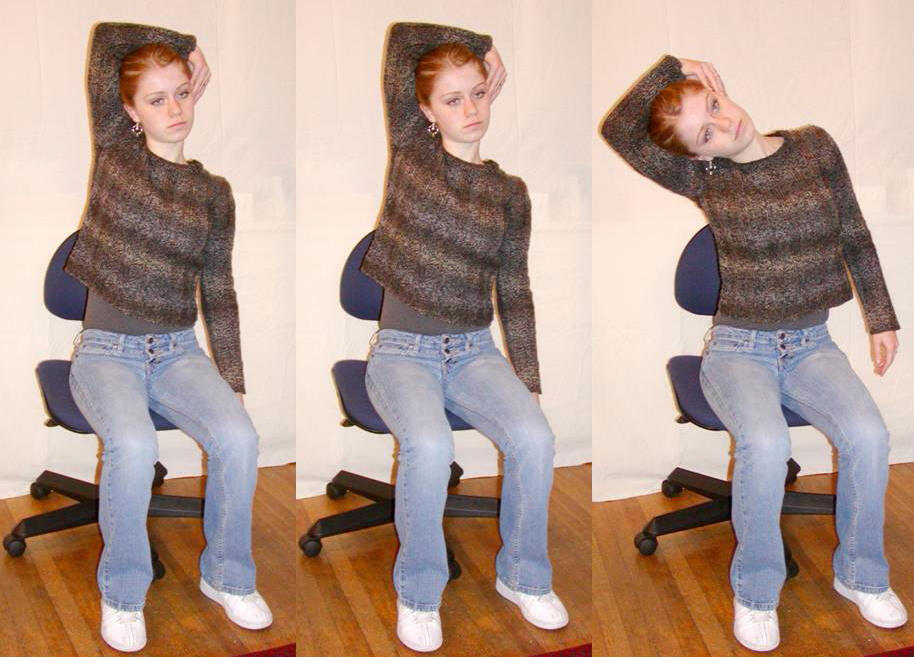
Figure 1. Illustration of side ways bending with hand holding ear.
Observe what your body is doing as it bends and comes back up to center. Notice the movements in your ribs, back and neck. Then drop your arm to your lap and relax. Make sure you continue to breathe diaphragmatically throughout the exercise.
Reach up with your left hand, pass it over the top of your head and hold on to your right ear. Repeat as above, this time bending to the right.
Reach up with your right hand and pass it over the top of your head, now holding onto your left ear. Then look to the right with your eyes and rotate your head to the right as if you are looking behind you. Return to center and repeat the movement a few times. Then drop your arm to your lap and relax for a few breaths as shown in Figure 2. 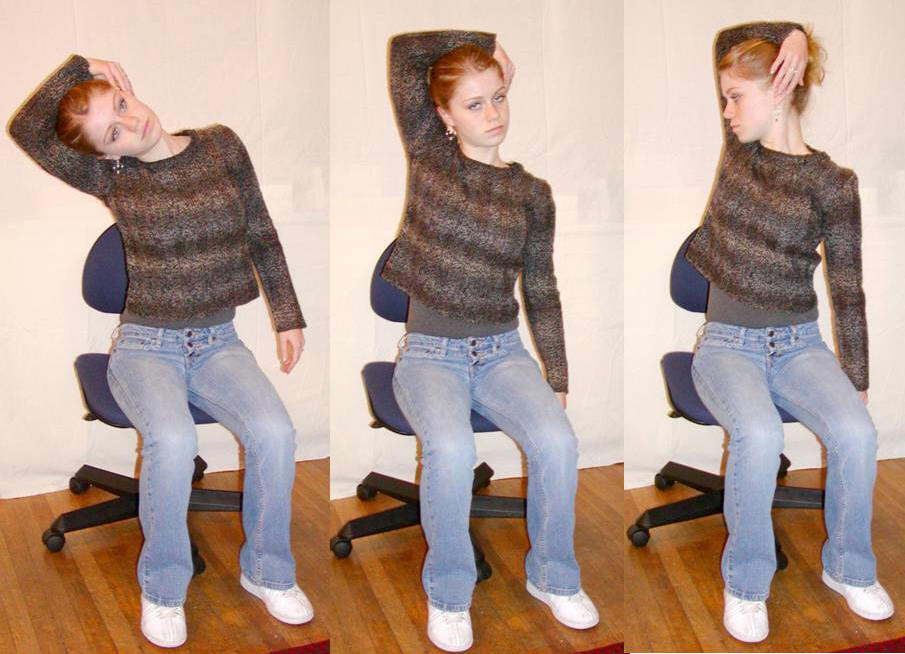 Figure 2. Illustration of rotational movement with hand holding ear.
Repeat the same rotating motion of your head to the right, except that now your eyes look to the left. Repeat this a few times, then drop your arm to your lap and relax for a few breaths.
Repeat the exercise except reach up with your left hand and pass it over the top of your head, and hold on to your right ear. Then look to the left with your eyes and rotate your head to the left as if you are looking behind you. Return to center and repeat a few times. Then drop your arms to your lap and relax for a few breaths.
Repeat the same rotating motion of your head to the left, except that your eyes look to the right. Repeat this a few times, then drop your arm to your lap and relax for a few breaths.
Post test: look to the right and gently turn your head and body as far as you can go. When you cannot go any further, look at that point on the wall. Gently rotate your head back to center, close your eyes, relax and notice the relaxing feelings in your neck, shoulders and back.
Did you rotate further than at the beginning of the exercise? More than 95% of participants report rotating significantly further as compared to the pretest.
For additional exercises on how to loosen your neck, shoulders, back, arms, hands, and legs, click on the link for the article, Improve health with movement: There is life after five or look at the somatic relaxation practices in part 3 of our book, Fighting Cancer-A Nontoxic Approach to Treatment.
[1] Adapted from a demonstration by Sharon Keane and developed by Ilana Rubenfeld
Prevent Stress Immobilization Syndrome
Posted: January 27, 2013 Filed under: Uncategorized | Tags: exercise, muscle tension, neck pain, repetitive sttrain injury, shoulder pain 7 Comments
Source unknown
Working at the computer, tablet or smartphone is often a pain in the neck. Young adults who are digital natives and work with computers and mobile phones experienced frequent pain, numbness or aches in their neck and more than 30% reported aches in their hip and lower back. In addition, women experienced almost twice as much aches in their necks than men (Korinen and Pääkkönen, 2011). Similarly findings have been reported previously when Peper and Gibney observed that most students at San Francisco State University, experienced some symptoms when working at their computer near the end of the semester. At work, many employees also experience exhaustion, neck, back and shoulder pains when working at the computer. Although many factors contribute to this discomfort such as ergonomics, work and personal stress, a common cause is immobility. To prevent stress immobility syndrome, implement some of the following practice.
- Every hour take a 5-minute break (studies at the Internal Revenue Service show that employees report significant reduction in symptoms without loss in productivity when they take a 5 minute break each hour).
- Take a short walk or do other movements instead of snacking when feeling tense or tired.
- Perform a stretch, strengthening, relaxation, or mobilization movement every 30 minutes.
- Install a computer reminder program to signal you to take a short stress break such as StressBreak™.
- Perform 1-2 second wiggle movements (micro-breaks) every 30 to 60 seconds such as dropping your hands to your lap as you exhale.
- Leave your computer station for the 15-minute mid-morning and mid-afternoon breaks.
- Eat lunch away from your computer workstation.
- Stand or walk during meetings.
- Drink lots of water (then, you’ll have to walk to the restroom).
- Change work tasks frequently during the day.
- Move your printer to another room so that you have to walk to retrieve your documents.
- Stand up when talking on the phone or when a co-worker stops by to speak with you.
When people implement these new habits, they experience significant decrease in symptoms and improvements in quality of life and health (Peper & Gibney, 2004; Wolever et al, 2011)
Take charge of your energy level and depression with movement and posture
Posted: September 30, 2012 Filed under: Uncategorized | Tags: depression, energy level, exercise, posture 17 CommentsI felt depressed when I looked down walking slowly. I realized that I walk like that all the time. I really need to change my walking pattern. When doing opposite arm and leg skipping, I had more energy. Right away I felt happy and free. I automatically smiled. –Student
Hunched forward at the computer, collapsed in front of the TV, bent forward with an I-pad and smart phone while answering emails, updating Facebook, playing games, reading or texting—these are all habits that may affect our energy level. Students may also experience a decrease in energy level and concentration when they slouch in their seats.
The low tech solution is not caffeine or medications; it is episodic movement and upright posture. In the controlledresearch study published October 5, 2012 in the journal Biofeedback, Erik Peper, PhD of San Francisco State University and I-Mei Lin, PhD of Kaohsiung Medical University, Taiwan, showed that subjective energy level can quickly be increased.
In this study 110 participants rated their immediate subjective energy level and their general depression level. The participants either walked in a slouched position or engaged in opposite arm and leg skipping (see Figure 1).

Figure 1. Illustration of slouched walking (left) and opposite arm and leg skipping (right). Reproduced from Peper & Lin (2012).
Skipping even for even one minute significantly increased energy level and alertness for all subjects. On the other hand, walking in a slouched pattern reduced the energy level significantly for those participants who had high levels of depression as shown in Figure 2.

Figure 2. Self-rating of energy level for the top and bottom 20% of the students’ self-rating of depression. Reproduced from: Peper & Lin, (2012).
For people with a history of depression, their energy level may covertly increase or decrease depending upon posture and movements. When individuals have less energy, they feel that they can do less, and this feeling tends to increase depressive thinking. They also tend to label the lower energy state as the beginning of depression instead being tired. At the same time, the lower energy state tends to evoke depressive memories and thoughts which escalate the experience of depression. This process can be interrupted and reversed by shifting body posture and performing movement.
This study offers a strategy for people with depression to reverse conditioned cues associated with posture that evoke depressive thoughts and feelings. Wilson and Peper (2004) showed previously that ‘‘sitting collapsed’’ allowed easier access to hopeless, helpless, powerless, and negative memories than sitting upright and looking up. Posture appears to be aan overlooked aspect in the prevention of depression.
There is hope if you tend to become depressed and experience low energy. Numerous participants reported that after they performed opposite arm/leg skipping they did not want to walk in a slouched position. This suggests that this type of movement my act as a protective mechanism to avoid energy decrease and depression. Some participants with attention deficit disorders reported that after skipping they could focus their attention much better. I recommend being more aware of your body posture during the day and increasing your arm and leg skipping movements.
*Adapted from: Peper, E. & Lin, I-M. (2012). Increase or decrease depression-How body postures influence your energy level. Biofeedback, 40 (3), 126-130.
Pain in the neck—there is hope!
Posted: January 3, 2012 Filed under: Uncategorized | Tags: biofeedback breathing, chiropractic, exercise, exercise medication, muscle biofeedback, neck pain, relaxation, shouldeer pain, spinal adjustment, spinal adustment, whiplash Leave a commentNeck pain affects more than 70% of Americans in their life time. What treatment offers the best outcome: Drugs, spinal manipulation or neck and shoulder exercises? In a superb randomized control study in published Annals of Internal Medicine with 272 patients with acute and subacute neck pain, a few instructional sessions in home exercise with advise or twelve sessions of spinal adjustment was significantly more effective in the short or long term.
From a psychophysiological perspective, becoming aware of the covert neck and shoulder tension, identifying “who or what is the pain in the neck” (the neck and shoulders often reflect emotions), resolving emotional conflicts, practicing many movement and relaxation breaks during the days, and learning to relax the neck and shoulders with or without biofeedback can usually reduce neck and shoulder pains.
Even more impressive is the work by David Hubbard, MD and Richard Gevirtz, PhD. They have demonstrated that whiplash injury can healed very quickly by watching a 12 minute video in the emergency room and practicing simple neck and shoulder exercises, diaphragmatic breathing, and possible use of biofeedback. It reduces symptoms and medical utilization by more than 80% as compared to the patients who did not see the video.
What is the best single thing we can do for our health
Posted: December 26, 2011 Filed under: Uncategorized | Tags: arthritic knees, depression, diabetes, exercise, fatigue, pain 1 CommentThere are so many factors that contribute to our health: diet, social support, preventative medical screening, etc. Yet, what is one single most important procedure that gives largest return of investment for your health? Listen to Dr. Mike Evans describe the procedure that if is used as treatment- one hour a day three times a week- reduces pain by 47% for patients with arthritic knees; if the treatment is done most days, patients with diabetes reduce the progression of their disease by 58%; post menopausal women who have the treatment four times a week reduce hip fractures by 41%; the treatment also reduces anxiety by 48% and patients with depression who receive a low dose of this treatment experience relief of depression by 30% while those on a high dose experience a 47% relief; in addition, it is the number one treatment of fatigue.
The treatment is 30 minutes of exercise–mostly walking–as described in the superb YouTube video, 23 and 1/2 hours: What is the single best thing we can do for our health?
 the peper perspective