Read The case against sugar
Posted: February 18, 2017 Filed under: Nutrition/diet, Uncategorized | Tags: Alzheimer, cancer, carbohydrates, diabetes, heart disease, sugar 11 CommentsAn ounce of prevention is worth a pound of cure.
Albert Schweitzer began working in equatorial lowlands of West Africa in 1913. He was astonished to encounter no cases of cancer among the thousands of native patients he saw each year. However, as the natives [took to] living more and more after the manner of the whites, cancer in his patient population became ever more frequent (Taubes, 2016, pp 257).
Wise elders, grand parents or statesmen have been traditional roles for aging adults. Wisdom transforming into Alzheimer’s disease does not compute (Peper, 2014).
In 1960’s Surgeon Captain T. L. Cleave proposed that common western diseases (diabetes, colon cancer, ischemic heart disease, gallstones, obesity, diverticulosis, and dental carries), to which I would add Alzheimer’s disease, autoimmune diseases and allergies, could not be due primarily to genetic factors but to new factors in the environment to which man had not yet had time to adapt (Cleaves et al, 1969). As he states, “One such factor was the processing of food which resulted in the consumption of large quantities of pure sugar and starch. This led to disease because man was evolutionary adjusted to eating smaller amounts of carbohydrates intimately mixed with fiber and protein.”
Clinicians and epidemiologist have consistently reported that none western cultures, whether the Masai in Africa, the Inuit in Northern Canada, the Japanese in Japan, or the Native American, had very low incidences of these western diseases. Yet, when these people adapted a western diet of highly refined carbohydrates and sugar the prevalence of these diseases increased and approached the incidence in western cultures (Burkitt & Trowell, 1975; Taubes, 2016).
Historically these illness were initially observed in the ruling class. The affluent class was privileged and tended to eat more refined carbohydrates and sugars (white bread, cakes, pastries and sugar in coffee and tea). It is only recently that this class effect is reversed. Lower economic classes tend have a higher prevalence of these western diseases. Affluent people can afford and often eat low processed organic foods while economically disadvantaged people cannot afford low processed foods and instead eat predominantly highly processed carbohydrate and refined foods.
Highly refined processed foods and sugar–not fats–are significant risk factors for the development diabetes and cardiovascular disease and mortality (Imamura et al, 2015; Taubes, 2016; Yang et al, 2014) . What is not as well known is that some cancers and Alzheimer’s disease also correlates with the increase intake of refined carbohydrates and sugar (Das, 2015; Kandimalla et al, 2016; Peper, 2014).
It is highly likely that the increase in beta-amyloid protein plagues in the brain is not the cause of the Alzheimer’s but the brain’s defense mechanism to protect it from the fluctuating high insulin and glucose levels. A high sugar and simple carbohydrate diet are risk factors for inflammatory diseases such as diabetes, heart disease and metabolic syndrome. These inflammatory diseases are recognized as a precursor for Alzheimer’s. Alzheimer’s is sometimes described as Type 3 diabetes (Kandimalla et al, 2016; Steen et al, 2005).
Taking the perspective that foods are significant risk factors for the development of these western diseases, the focus should be on prevention and less on treatment. The research to develop drugs to treat Alzheimer’s have up till now been unsuccessful despite that the billions spent on attempting to develop new drugs. For example, the pharmaceutical company Eli Lilly has spent 3.7 billion dollars over the last decade while the National Institutes of Health spends more than half a billion dollars a year on pursuit of treatment (Coghlan, 2017).
The treatments cost of these western diseases, which at best ameliorate the disorders, is overwhelming. In the USA, we spent $147 billion to treat obesity and $116 billion to treat diabetes. While the medical costs to treat diabetes for a single patient is about $6000/year or $400,000/lifetime (Pollan, 2009).
As a refined carbohydrates and high sugar diet is a risk factor for western diseases, the focus should be on prevention. Thus, reduce sugar and refined carbohydrates intake and increase high fiber vegetable. To implement such a simple preventative measure means:
- Educate the public about the harm of sugars and refined carbohydrate foods.
- Ban advertising of foods that are high in sugar and refined carbohydrates.
- Reward companies to produce foods low in sugar and refined carbohydrates.
- Tax food products high in sugar and refined carbohydrates just as tobacco has been taxed.
I am positive that in the future when we look back at the 20th and early 21st century, we will be appalled that the government allowed people to poison themselves with sugar and highly refined carbohydrates. Just as we now warn against the harm of tobacco, limit the sales to minors, and have ongoing public health stop smoking campaigns.
For much more information, read science writer Gary Taubes superb well researched and engaging book, The case against sugar.

References:
Burkitt, D.P. & Trowell, H.C. (1975). Refined carbohydrate foods and disease: Some implications of dietary fibre. York: Academic Press.
Cleave, T.L., Campbell, G.D., & Painter, N.S. (1969). Diabetes, coronary thrombosis and the saccharine disease, 2nd ed. Bristol, UK: John Wright.
Coghlan, A. 2017). The Alzheimer’s problem. New Scientist, 233(3110), 22-23.
Das, U. N. (2015). Sucrose, fructose, glucose, and their link to metabolic syndrome and cancer. Nutrition, 31(1), 249-257.
Imamura, F., O’Connor, L., Ye, Z., Mursu, J., Hayashino, Y., Bhupathiraju, S. N., & Forouhi, N. G. (2015). Consumption of sugar sweetened beverages, artificially sweetened beverages, and fruit juice and incidence of type 2 diabetes: systematic review, meta-analysis, and estimation of population attributable fraction. Bmj, 351, h3576.
Kandimalla, R., Thirumala, V., & Reddy, P. H. (2016). Is Alzheimer’s disease a Type 3 Diabetes? A critical appraisal. Biochimica et Biophysica Acta (BBA)-Molecular Basis of Disease.
Peper, E. (2014). Affluenza: Transforming Wisdom into Alzheimer’s Disease with Affluent Malnutrition and Immobility. Neuroconnections, 9(2), 32-35.
Pollan, M. (2009). Big food vs. big insurance. New York Times, September 10, A29.
Steen, E., Terry, B.M. Rivera, E.J., Cannon, J.L., Neely, T.R., Tavares, R., Xu, X. J., Wands, J.R., & de al Monte, S. M. (2005). Impaired insulin and insulin-like growth factor expression and signaling mechanisms in Alzheimer’s disease-is this type 3 diabetes? Journal of Alzheimer’s Disease, 7(1), 53-80.
Taubes, G. (2016). The case against sugar. New York: Alfred A. Knopf.
Yang, Q., Zhang, Z., Gregg, E. W., Flanders, W. D., Merritt, R., & Hu, F. B. (2014). Added sugar intake and cardiovascular diseases mortality among US adults. JAMA internal medicine, 174(4), 516-524.
Healthy movement is the new aging
Posted: February 11, 2017 Filed under: Exercise/movement, self-healing, Uncategorized | Tags: aging, diabetes, evolution, exercise, health, interval training, sugar 2 CommentsBorn on 26 November 1911, Mr Robert Marchand and 105 years old, managed cycling 22.55 km (14 miles) at the national velodrome and set a new record for the furthest distance cycled in one hour for riders over 105. (Reynolds, 2017).
Meet 105-year-old Robert Marchand, the centenarian cyclist chasing a new record: https://www.youtube.com/watch?v=Ey48j6dDNEo
As people age there is an increase in Western Diseases such as hypertension, diabetes, gout, cancer, dementia and decreases in physical fitness (Milanović et al, 2013; Tauber, 2016). To assume that the cause of these illnesses is the natural process of aging may be too simplistic. Although aging does affect physiology, there are other factors that contribute to the increase in “Western Diseases” such as diet, lifestyle and genetics.
A significant contributing factor of Western Diseases is diet especially the increase in sugar and simple carbohydrates. Whether you are Pima, Tohono O’odham, and Navajo American Indian Tribes in Arizona, Intuits in Northern Canada, Japanese Americans, or indigenous populations of Kenya, when these people stopped eating their traditional diet and adapted the western high glucose/fructose/simple carbohydrate diet, the degenerative Western Diseases exploded (Bjerregaard et al, 2004; Burkitt & Trowell, 1975; Knowler et al, 1990; Tauber, 2016). Diabetes, hypertension, and cancer which were previously rare skyrocketed within one generation after adapting the Western life style diet. In some of these populations, 30% or more of the adults have diabetes and a significant increase in breast cancer.
The reduction of episodic high intensity physical activity and being sedentary are additional risk factors for the onset of diabetes and cardiovascular disease (Dulloo et al, 2017). As Mensing & Mekel (2015) state, “Sitting is the new smoking.” Sitting encourages more sitting which leads to nonuse of muscles and causes neural and muscle atrophy. Our physiology is efficient and will prune/eliminate what is redundant. This is reflected in the popular phrase, “Use it or lose it.” As we sit for hours in front of digital devices, use escalators, elevators, or drive cars, we are not using the muscles involved in dynamic movement. We are usually unaware of this degenerative process. Instead, we may experience difficulty walking up the stairs which encourages us to take the escalator or elevator. When we do not use the muscles or are limited in movement by discomfort and pain, we move less. As we move less, we become weaker which is often labeled as aging instead of non use.
Just, because most people loose fitness, it may not represent what is possible or optimum. Instead, we may want to emulate the diet and fitness program of Mr. Robert Marchand who at age 103 set a new world record and improved the distance bicycled in one hour from 24.25 km at the age of 101 to 26.92 km at the age of 103. A 11% improvement! As New York Times science writer Gretchen Reynolds reports, “Lifestyle may also matter. Mr. Marchand is “very optimistic and sociable,” The researcher who did the study, Dr. Billat says, “with many friends,” and numerous studies suggest that strong social ties are linked to a longer life. His diet is also simple, focusing on yogurt, soup, cheese, chicken and a glass of red wine at dinner (Reynolds, 2017).
The improvement in bicycling performance and physiological indicators such as ⩒O2max increased (31 to 35 ml.kg-1min-1; +13%), appeared to be due to a change in his training regimen (Billat et al 2016). At age 101 he changed his bicycling training program from riding at a steady speed for one hour to riding 80% at an easy pace and 20% at high intensity. This is a type of interval training and includes enough recovery allows the body the recover and strengthen. This analogous to our evolutionary movement pattern of walking interspersed with short distance high intensity running.
As a hunter and gather we often moved steadily and then had to run very fast to escape a predator or catch an animal. After extreme exertion, we would rest and regenerate (if we did not escape we would be lunch for the predator). Thus episodic high intensity activity with significant rest/regenerative periods is the movement pattern that allowed our species to survive and thrive. Research studies have confirmed that high intensity interval training offers more physiological benefits–increases cardiorespiratory fitness which is a strong determinant of morbidity and mortality– than moderate intensity continuous training (Weston et al, 2014).
Thus when Mr. Marchard changed his exercise pattern from moderate intensity continuous training to high intensity interval training with enough recovery time he set a new world record at age 103. Two years later he set a new world record at age 105.
Exercise improves brain function and interval training appears to improve brain function most. When rats had prolonged exercise, the brain’s stores of energy is significantly lowered in the frontal cortex and hippocampus all areas which area involved in thinking and memory. If on the other hand, the animals had a single intense bout of exercise and were allowed to rest and feed than the brain levels of glycogen was 60% high in the frontal and hippocampus areas. This suggest that the brain can then function better (Matsui et al, 2012).
This perspective is supported by the evolutionary hypothesis discussed by Neuroscientist Daniel Wolpert who points out that brains evolved, not to think or feel, but to direct movement. When movement is no longer needed the brain shrinks and gets reabsorbed which is illustrated by the sea squirt. This animal swims as a juvenile and then anchors on a rock and is passively moved by the currents. Once anchored, it no longer needed to coordinate movement and reabsorb its own nervous system. See Daniel Wolpert’s remarkable TED talk, The real reasons for brains.
The remarkable feat of Mr. Marchand offers suggestions for our own health. Enjoy healthy movement and exercise and incorporate our evolutionary movement patterns: episodic high intensity followed by regeneration. At the same time include a healthy diet by reducing sugars and simple carbohydrates. Finally, it helps to have the right genes.
References:
Billat, V. L., Dhonneur, G., Mille-Hamard, L., Le Moyec, L., Momken, I., Launay, T., & Besse, S. (2016). Case Studies in Physiology: Maximal Oxygen Consumption and Performance in a Centenarian Cyclist. Journal of Applied Physiology, jap-00569. http://jap.physiology.org/content/jap/early/2016/12/29/japplphysiol.00569.2016.full.pdf
Bjerregaard, P., Kue Young, T., Dewailly, E., & Ebbesson, S. O. (2004). Review Article: Indigenous health in the Arctic: an overview of the circumpolar Inuit population. Scandinavian Journal of Social Medicine, 32(5), 390-395. https://www.researchgate.net/publication/51366099_Indigenous_Health_in_the_Arctic_An_Overview_of_the_Circumpolar_Inuit_Population
Burkitt, D.P. & Trowell, H.C. eds. (1975). Refined carbohydrate foods and disease: Some implications of dietary fibre. New York: Academic Press.
Dulloo, A. G., Miles‐Chan, J. L., & Montani, J. P. (2017). Nutrition, movement and sleep behaviours: their interactions in pathways to obesity and cardiometabolic diseases. Obesity Reviews, 18(S1), 3-6.
Knowler, W. C., Pettitt, D. J., Saad, M. F., & Bennett, P. H. (1990). Diabetes mellitus in the Pima Indians: incidence, risk factors and pathogenesis. Diabetes/metabolism reviews, 6(1), 1-27.
Matsui, T., Ishikawa, T., Ito, H., Okamoto, M., Inoue, K., Lee, M. C., … & Soya, H. (2012). Brain glycogen supercompensation following exhaustive exercise. The Journal of physiology, 590(3), 607-616.
Mensing, M., & Mekel, O. C. L. (2015). Sitting is the new smoking-Modelling physical activity interventions in North Rhine-Westphalia. The European Journal of Public Health, 25(suppl 3), ckv171-037.
Milanović, Z., Pantelić, S., Trajković, N., Sporiš, G., Kostić, R., & James, N. (2013). Age-related decrease in physical activity and functional fitness among elderly men and women. Clinical interventions in aging, 8, 549-556.
Reynolds, G. (2017, February 8). Lessons on Aging Well, From a 105-Year-Old Cyclist. Retrieved from: https://www.nytimes.com/2017/02/08/well/move/lessons-on-aging-well-from-a-105-year-old-cyclist.html?rref=collection%2Fsectioncollection%2Fhealth&action=click&contentCollection=health®ion=rank&module=package&version=highlights&contentPlacement=5&pgtype=sectionfront
Taubes, G. (2016). The Case Against Sugar. New York: Alfred A. Knopf.
Weston, K. S., Wisløff, U., & Coombes, J. S. (2014). High-intensity interval training in patients with lifestyle-induced cardiometabolic disease: a systematic review and meta-analysis. British journal of sports medicine, 48(16), 1227-1234. http://www.rcsi.ie/files/facultyofsportsexercise/20141201122758_High-intensity%20interval%20traini.pdf
Wolpert, D. (2011) The Real Reason for Brains. http://www..com/tatedlks/daniel_wolpert_the_real_reason_for_brains.html
Youtube video: Meet 105-year-old Robert Marchand, the centenarian cyclist chasing a new record: https://www.youtube.com/watch?v=Ey48j6dDNEo
We are more alike than we sometime would like to think
Posted: February 1, 2017 Filed under: Uncategorized | Tags: Acceptance, community, health, love Leave a commentThe short three minute video Three Beautiful Human Minutes by Asger Leth is a reminder that we are more alike than we sometimes would like to think. Enjoy.
Happy New Year: Make each moment count
Posted: January 1, 2017 Filed under: Uncategorized | Tags: happiness, health, meaning, purpose 1 CommentAs the New Year begins, I wish you the courage to follow your dreams. May the New Year bring health, happiness and joy. Enjoy the video and make each moment count.
Best wishes for the New Year.
https://www.youtube.com/watch?v=g_g1hqMfv2A
Was it really your choice or were you covertly nudged, anchored, incentivized and manipulated?
Posted: December 27, 2016 Filed under: Uncategorized | Tags: advertising, fake news, manipulation, persuation, Politics 1 CommentWas taking sleeping medication really your choice or the outcome of subtle over the counter advertising even though the research evidence suggests that it will cause long term harm?
Was the evidence presented at the congressional hearing that contributed to Congress to authorize the first Gulf war based upon actual data or manufactured fake news orchestrated by the Kuwait Government?
How come so many people claim that Trump won the election overwhelmingly even though he actually lost the popular vote by 2.8 million?
How come we make impulsive choices which upon reflection did not work out?
Do we really make well informed choices or are they the result of being covertly nudged or manipulated? Before you vote, before you buy a product, before you undergo a medical procedure or take medication, before you share a Facebook post, or before you talk to your boss, be aware that your choices may not really be yours but instead the result of being influenced and manipulated. From voting to the sales of pharmaceuticals and cars, we act because we feel it is correct; however, in many cases our choices were not achieved through reason and deliberation. They were the result of being nudged, anchored, incentivized, manipulated and influenced by fake/false news-a process that significantly affects how we interact with each other
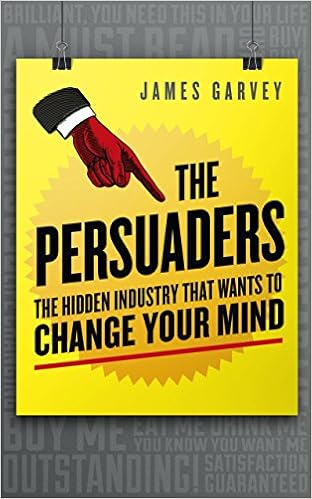
Before acting on information, read the superb book, The persuaders: The hidden industry that wants to change your mind, by philosopher James Garvey. This book describes in detail the strategies that persuaders use to have you act as they would like you to act which impacts all facets of your life As the cover of the book states: “You are no longer reasoned with–Instead your opinions and behaviors are manipulated by covert means.”
Be a tree and share gratitude
Posted: December 11, 2016 Filed under: Breathing/respiration, self-healing, stress management, Uncategorized | Tags: gratitude, Holistic health, Imagery, relaxation, self-healing, stress management 1 Comment
It was late in the afternoon and I was tired. A knock on my office door. One of my students came in and started to read to me from a card. “I want to thank you for all your help in my self-healing project…I didn’t know the improvements were possible for me in a span of 5 weeks…. I thank you so much for encouraging and supporting me…. I have taken back control of myself and continue to make new discoveries about my identity and find my own happiness and fulfillment… Thank you so much.”
I was deeply touched and my eyes started to fill with tears. At that moment, I felt so appreciated. We hugged. My tiredness disappeared and I felt at peace.
In a world where we are constantly bombarded by negative, fearful stories and images, we forget that our response to these stories impacts our health. When people watch fear eliciting videos, their heart rate increases and their whole body responds with a defense reaction as if they are personally being threatened (Kreibig, Wilhelm, Roth, & Gross, 2007). Afterwards, we may continue to interpret and react to new stimuli as if they are the same as what happened in the video. For example, while watching a horror movie, we may hold our breath, perspire and feel our heart racing; however, when we leave the theatre and walk down the street by ourselves, we continue to be afraid and react to stimuli as if what happened in video will now happen to us.
When we feel threatened, our body responds to defend itself. It reduces the blood flow to the gastrointestinal tract where digestion is taking place and sends it to large muscles so that we can run and fight. When threatened, most of our resources shifted to the processes that promote survival while withdrawing it from processes that do not lead to immediate survival such as digestion or regeneration (Sapolsky, 2004). From an evolutionary perspective, why spent resources to heal yourself, enhance your immune system or digest your food when you will become someone else’s lunch!
The more we feel threatened, the more we will interpret the events around us negatively. We become more stressed, defensive, and pessimistic. If this response occurs frequently, it contributes to increased morbidity and mortality. We may not be in control of external or personal event; however, we may be able to learn how to change our reactions to these events. It is our reactions and interpretations of the event that contributes to our ongoing stress responses. The stressor can be labeled as crisis or opportunity.
Mobilize your own healing when you take charge. When 92 students as part of a class at San Francisco State University practiced self-healing skill, most reported significant improvements in their health as shown in Figure 1.

Figure 1. Average self-reported improvement after practicing self-healing skills for at least four weeks. (Reproduced with permission from Tseng, Abili, Peper, & Harvey, 2016).
A strategy that many students used was to interrupt their cascading automatic negative reactions. The moment they became aware of their negative thought and body slumping, they interrupted the process and practiced a very short relaxation or meditation technique.
Implement what the students have done by taking charge of your stress responses and depressive thoughts by 1) beginning the day with a relaxation technique, Relax Body-Mind, 2) interrupting the automatic response to stressors with a rapid stress reduction technique, Breathe and be a Tree, and 3) increasing vitality by the practice, Share Gratitude (Gorter & Peper, 2011).
Relax Body-Mind to start the day*
- Lie down or sit and close your eyes. During the practice if your attention wanders, just bring it back to that part of the body you are asked to tighten or let go.
- Wrinkle your face for ten seconds while continuing to breathe. Let go and relax for ten seconds.
- Bring your hands to your face with the fingers touching the forehead while continuing to breathe. While exhaling, pull your fingers down your face so that you feel your jaw being pulled down and relaxing. Drop your hands to your lap. Feel the sensations in your face and your fingers for ten seconds.
- Make a fist with your hands and lift them slightly up from your lap while continuing to breathe. Feel the sensations of tension in your hands, arms and shoulders for ten seconds. Let go and relax by allowing the arms to drop to your lap and relax. Feel the sensations change in your hands, arms and shoulders for ten seconds.
- Tighten your buttocks and flex your ankles so that the toes are reaching upwards to your knees. Hold for ten seconds while continuing to breathe. Let go and relax for ten seconds.
- Take a big breath while slightly arching your back away from the bed ore chair and expand your stomach while keeping your arms, neck, buttocks and legs relaxed. Hold the breath for twenty seconds. Exhale and let your back relax while allowing the breathing to continue evenly while sensing your body’s contact with the bed or chair for twenty seconds. Repeat three times.
- Gently shake your arms and legs for ten seconds while continuing to breathe. Let go and relax. Feel the tingling sensations in your arms and legs for 20 seconds.
- Evoke a past positive memory where you felt at peace and nurtured.
- Stretch and get up. Know you have done the first self-healing step of the day.
*Be gentle to yourself and stop the tightening or breath holding if it feels uncomfortable.
Breathe and be a Tree to dissipate stress and focus on growth
- Look at a tall tree and realize that you are like a tree that is rooted in the ground and reaching upward to the light. It continues to grow even though it has been buffeted by storms.
- When you become aware of being stressed, exhale slowly and inhale so that your stomach expands, the while slowly exhaling, look upward to the top of a real or imagined tree, admire the upper branches and leaves that are reaching towards the light and smile.
- Remember that even though you started to respond to a stressor, the stressor will pass just like storms battering the tree. By breathing and looking upward, accept what happened and know you are growing just like the tree.
Share Gratitude to increase vitality and health (adapted from Professor Martin Seligman’s 2004 TED presentation, The new era of positive psychology).
- Think of someone who did something for you that impacted your life in a positive direction and whom you never properly thanked. This could be a neighbor, teacher, friend, parent, or other family members.
- Write a 300-word testimonial describing specifically what the person did and how it positively impacted you and changed the course of your life.
- Arrange an actual face-to-face meeting with the person. Tell them you would like to see him/her. If they are far away, arrange a Skype call where you can actually see and hear him/her. Do not do it by email or texting.
- Meet with the person and read the testimonial to her/him.
- It may seem awkward to read the testimonial, after you have done it, you will feel closer and more deeply connected to the person. Moreover, the person to whom you read the testimonial, will usually feel deeply touched. Both your hearts will open.

References:
Gorter, R. & Peper, E. (2011). Fighting cancer: A nontoxic approach to treatment. Berkeley, CA: North Atlantic Books, 205-207.
Kreibig, S. D., Wilhelm, F. H., Roth, W. T., & Gross, J. J. (2007). Cardiovascular, electrodermal, and respiratory response patterns to fear‐and sadness‐inducing films. Psychophysiology, 44(5), 787-806.Kreibig, Sylvia D., Frank H. Wilhelm, Walton T. Roth, and James J. Gross. “Cardiovascular, electrodermal, and respiratory response patterns to fear‐and sadness‐inducing films.” Psychophysiology 44, no. 5 (2007): 787-806.
Sapolsky, R. (2004). Why Zebras Don’t Get Ulcers. New York: Owl Books
Seligman, M. (2014). The new era of positive psychology. Ted Talk. Retrieved, December 10, 2016. https://www.ted.com/talks/martin_seligman_on_the_state_of_psychology
Tseng, C., Abili, R., Peper, E., & Harvey, R. (2016). Reducing Acne-Stress and an integrated self-healing approach. Appl Psychophysiol Biofeedback, 4(4), 445.)
Our food is not the same as 50 years ago
Posted: December 1, 2016 Filed under: Nutrition/diet, Uncategorized | Tags: diet, food, glyphosate, health, herbicides, immune system, nutrients 11 CommentsOur food should be our medicine and our medicine should be our food.– Hippocrates
Agribusiness appears to have overlooked Hippocrates’ advice in the quest for profits and quantity over quality. Over the last 50 years key nutrients of fruits and vegetables have declined. In a survey of 43 crops of fruits and vegetables, Davis, Epp, & Riordan, (2004) found a significant decrease of vitamins and minerals in foods grown in the 1950s as compared to now as shown in Figure 1 (Lambert, 2015).
Figure 1. Change in vitamins and minerals from 1950 to 1999. From: Davis, D. R., Epp, M. D., & Riordan, H. D. (2004). Changes in USDA food composition data for 43 garden crops, 1950 to 1999. Journal of the American College of Nutrition, 23(6), 669-682.
Not only are there fewer nutrients present in our fruits and vegetables, it is also laced/contaminated with pesticides and herbicides such as glyphosate. Glyphosate is the weedkiller, Roundup, produced by Monsanto and is now found in almost all non-organic foods as shown in Figure 2.
Figure 2. Example of foods tested for the presence of glyphosate. Reproduced with permission from https://s3.amazonaws.com/media.fooddemocracynow.org/images/FDN_Glyphosate_FoodTesting_Report_p2016.pdf
We are ingesting very low levels of glyphosate in most of our foods which may contribute to the development of illness. On March 20, 2015, the International Agency for Research on Cancer (IARC)–the specialized cancer agency of the World Health Organization–classified glyphosate as probably carcinogenic to humans (Group 2A). Glyphosate also affects our immune system and the healthy bacteria in our gut. Thus, I strongly recommend avoiding glyphosate and other types of herbicide and pesticide contaminated foods. By eating an organic food diet you can reduce pesticide and herbicide exposure by 90%. Unless you eat only organic foods, you will ingest more pesticides and herbicides at levels unacceptable by the European Union standards as shown in Figure 3.

Figure 3. Different allowable daily intake levels of glyphosate in the European Union as compared to the United States. Reproduced with permission from https://s3.amazonaws.com/media.fooddemocracynow.org/images/FDN_Glyphosate_FoodTesting_Report_p2016.pdf
Read the article Glyphosate: Unsafe on any plate: Alarming levels of Monstao’s gyphosate found in popular American foods. It describes the scientific evidence that at even at ultra-low levels of glyphosate e.g. 0.1 parts per billions (ppb) harm to human health could begin and how much of the foods contain glyphosate. The Executive Summary is reproduced with permission below:
Executive Summary
A leading FDA-registered food safety testing laboratory has found extremely high levels of the pesticide glyphosate in some of America’s most popular food products. Glyphosate, the active ingredient in Monsanto’s Roundup, is the most heavily used chemical weedkiller in food and agricultural production in human history, as a result of the widespread adoption of genetically engineered crops now grown on more than 175 million acres in the United States (U.S.) and more than 440 million acres around the globe.
New scientific evidence shows that probable harm to human health could begin at ultra-low levels of glyphosate e.g. 0.1 parts per billions (ppb). Popular foods tested for glyphosate measured between 289.47 ppb and at levels as high as 1,125.3 ppb. The testing and analysis was performed by Anresco Laboratories, San Francisco, an FDA registered laboratory that has performed expert food safety testing since 1943.
The laboratory found that well-known products tested for glyphosate, Original Cheerios, for example, measured levels as high as 1,125.3 ppb. Other high levels of glyphosate were found in familiar products such as Oreos, Doritos, and Ritz Crackers, among 29 foods tested. Currently, U.S. regulators allow a very high level of daily glyphosate residue in America’s food. The acceptable daily intake (ADI) limit is set at 1.75 milligrams per kilogram of bodyweight per day (written 1.75 mg/kg bw/day) in the U.S., versus a more cautious 0.3 mg/kg bw/day in the European Union. Tolerances have been set through the submission of corporate-sponsored studies and industry influence on the regulatory process.
New research shows that Roundup causes liver and kidney damage in rats as reflected in changes in the functions of 4,000 genes at only 0.05 parts per billion (ppb) glyphosate equivalent indicating damage.2 Additional studies have found that levels as low as 10 ppb can have toxic effects on the livers of fish and cause significant damage to the livers and kidneys of rats at 700 ppb, which is the allowable level of glyphosate found in U.S. drinking water.
Credible independent, peer-reviewed scientific evidence now shows that the levels of harm to human health could begin at the ultra-low levels of 0.1 parts per billion (ppb) of glyphosate. These groundbreaking new findings that one of the most iconic cereals in U.S. contains levels as high as 1,125.3 ppb should be a wake-up call for all Americans regarding unacceptable levels of pesticide residues in our nation’s food. These findings are especially troubling, considering that the latest independent scientific evidence, during which a team of international scientists re-evaluated the same data previously used by regulators, calls for a much lower ADI to be set at 0.025 mg/ kg of bodyweight per day or “12 times lower than the ADI”6 currently set in Europe and 70 times lower than the level currently allowed by the EPA in the United States. It’s important for individuals and parents to understand that glyphosate contamination cannot be removed by washing and is not broken down by cooking or baking. Glyphosate residues can remain stable in food for a year or more, even if the foods are frozen or processed.
The testing and analysis was performed at the request of FOOD DEMOCRACY NOW!, in coordination with THE DETOX PROJECT, which gathered additional scientific evidence from around the world and included a compendium of independent research on glyphosate that contains Anresco Laboratory’s findings. Based on this new information, FOOD DEMOCRACY NOW! is calling for a federal investigation into the likely harmful effects of glyphosate on human health and the environment and is also seeking an investigation into the relationships between the regulators and the regulated industries, which has resulted in the public being exposed to levels of glyphosate which scientific studies show can be damaging to human health.
The complete article with references can be downloaded from: https://s3.amazonaws.com/media.fooddemocracynow.org/images/FDN_Glyphosate_FoodTesting_Report_p2016.pdf
References:
Davis, D. R., Epp, M. D., & Riordan, H. D. (2004). Changes in USDA food composition data for 43 garden crops, 1950 to 1999. Journal of the American College of Nutrition, 23(6), 669-682. https://doi.org/10.1080/07315724.2004.10719409
Lambert, C. (2015). If Food really better from the farm gate than super market shelf? New Scientist.228(3043), 33-37.
Millennials and the impact of technology
Posted: November 29, 2016 Filed under: Uncategorized | Tags: cellphones, depression, health, millennials, productivity, technology 1 CommentTechnology connects us 24/7. Like a drug it provides instantaneous reinforcement when searching for information and sending or receiving social messages. Millennials are the first generation of digital natives who are always connected–from being jarred awake by their cellphone alarm to checking email or Facebook just before sleep. They are unlike their parents who are digital immigrants and have experienced face-to-face communication instead of virtual/digital communication. The video below, Simon Sinek on Millennials in the Workplace, offers an interesting insight of in the lives of millennials.
Education versus treatment for self-healing: Eliminating a headache[1]
Posted: November 18, 2016 Filed under: Pain/discomfort, self-healing, stress management, Uncategorized | Tags: autogenic training, biofeedback, education, electromyography, headache, Holistic health, migraine, posture, treatment 3 Comments“I have had headaches for six years, at first occurring almost every day. When I got put on an antidepressant, they slowed to about 3 times a week (sometimes more) and continued this way until I learned relaxation techniques. I am 20 years old and now headache free. Everyone should have this educational opportunity to heal themselves.” -Melinda, a 20 year old student
Health and wellness is a basic right for all people. When students learn stress management skills which include awareness of stress, progressive muscle relaxation, Autogenic phrases, slower breathing, posture change, transforming internal language, self-healing imagery, the role of diet, exercise embedded within an evolutionary perspective as part of a college class their health often improves. When students systematically applied these self-awareness techniques to address a self-selected illness or health behavior (e.g., eczema, diet, exercise, insomnia, or migraine headaches), 80% reported significant improvement in their health during that semester (Peper et al., 2014b; Tseng, et al., 2016). The semester long program is based upon the practices described in the book, Make Health Happen, (Peper, Gibney, & Holt, 2002).
The benefits often last beyond the semester. Numerous students reported remarkable outcomes at follow-up many months after the class had ended because they had mastered the self-regulation skills and continued to implement these skills into their daily lives. The educational model utilized in holistic health courses is often different from the clinical/treatment model.
Educational approach: I am a student and I have an illness (most of me is healthy and only part of me is sick).
Clinical treatment approach: I am a patient and I am sick (all of me is sick)
Some of the concepts underlying the differences between the educational and the clinical approach are shown in Table 1.
| Educational approach | Clinic/treatment approach |
| Focuses on growth and learning | Focuses on remediation |
| Focuses on what is right | Focuses on what is wrong |
| Focuses on what people can do for themselves | Focuses on how the therapist can help patients |
| Assumes students as being competent | Implies patients are damaged and incompetent |
| Students defined as being competent to master the skills | Patients defined as requiring others to help them |
| Encourages active participation in the healing process | Assumes passive participation in the healing process |
| Students keep logs and write integrative and reflective papers, which encourage insight and awareness | Patients usually do not keep logs nor are asked to reflect at the end of treatment to see which factors contributed to success |
| Students meet in small groups, develop social support and perspective | Patients meet only with practitioners and stay isolated |
| Students experience an increased sense of mastery and empowerment | Patients experience no change or possibly a decrease in sense of mastery |
| Students develop skills and become equal or better than the instructor | Patients are healed, but therapist is always seen as more competent than patient |
| Students can become colleagues and friends with their teachers | Patients cannot become friends of the therapist and thus are always distanced |
Table 1. Comparison of an educational versus clinical/treatment approach
The educational approach focuses on mastering skills and empowerment. As part of the course work, students become more mindful of their health behavior patterns and gradually better able to transform their previously covert harm promoting patterns. This educational approach is illustrated in a case report which describes how a student reduced her chronic migraines.
Case Example: Elimination of Chronic Migraines
Melinda, a 20-year-old female student, experienced four to five chronic migraines per week since age 14. A neurologist had prescribed several medications including Imitrex (used to treat migraines) and Topamax (used to prevent seizures as well as migraine headaches), although they were ineffective in treating her migraines. Nortriptyline (a tricyclic antidepressant) and Excedrin Migraine (which contains caffeine, aspirin, and acetaminophen) reduced the frequency of symptoms to three times per week.
She was enrolled in a university biofeedback class that focused on learning self-regulation and biofeedback skills. All these students were taught the fundamentals of biofeedback and practiced Autogenic Training (AT) every day during the semester (Luthe, 1979; Luthe & Schultz, 1969; Peper & Williams, 1980).
In the class, students practiced with surface electromyography (SEMG) feedback to identify the presence of shoulder muscle overexertion (dysponesis), as well as awareness of minimum muscle tension. Additional practices included hand warming, awareness of thoracic and diaphragmatic breathing, and other biofeedback or somatic awareness approaches. In parallel with awareness of physical sensations, students practiced behavioral awareness such as alternating between a slouching body posture (associated with feeling self-critical and powerless) and an upright body posture (associated with feeling powerful and in control). Psychological awareness was focused on transforming negative thoughts and self-judgments to positive empowering thoughts (Harvey and Peper, 2011; Peper et al., 2014a; Peper et al, 2015). Taken together, students systematically increased awareness of physical, behavioral, and psychological aspects of their reactions to stress.
The major determinant for success is to generalize training at school, home and at work. Each time Melinda felt her shoulders tightening, she learned to relax and release the tension in her shoulders, practiced Autogenic Training with the phrase “my neck and shoulders are heavy.” In addition, whenever she felt her body beginning to slouch or noticed a negative self-critical thought arising in her mind, she shifted her body to an upright empowered posture, and substituted positive thoughts to reduce her cortisol level and increase access to positive thoughts (Carney & Cuddy, 2010; Cuddy, 2012; Tsai, et al., 2016). Postural feedback was also informally given by Melinda’s instructor. Every time the instructor noticed her slouching in class or the hallway, he visually changed his own posture to remind her to be erect.
Results
Melinda’s headaches reduced from between three and five per week before enrolling in the class to zero following the course, as shown in Figure 2. She has learned to shift her posture from slouching to upright and relaxed. In addition, she reported feeling empowered, mentally clear, and her acne cleared up. All medications were eliminated. At a two year follow-up, she reported that since she took the class, she had only few headaches which were triggered by excessive stress. 
Figure 2. Frequency of migraine and the implementation of self-practices.
The major factors that contributed to success were:
- Becoming aware of muscle tension through the SEMG feedback. Melinda realized that she had tension when she thought she was relaxed.
- Keeping detailed logs and developing a third person perspective by analyzing her own data and writing a report. A process that encouraged acceptance of self, thereby becoming less judgmental.
- Acquiring a new belief that she could learn to overcome her headaches, facilitated by class lecture and verbal feedback from the instructor.
- Taking active control by becoming aware of the initial negative thoughts or sensations and interrupting the escalating chain of negative thoughts and sensations by shifting the attention to positive empowering thoughts and sensations–a process that integrated mindfulness, acceptance and action. Thus, transforming judgmental thoughts into accepting and positive thoughts.
- Becoming more aware throughout the day, at school and at home, of initial triggers related to body collapse and muscle tension, then changing her body posture and relaxing her shoulders. This awareness was initially developed because the instructor continuously gave feedback whenever she started to slouch in class or when he saw her slouching in the hallways.
- Practicing many, many times during the day. Namely, increasing her ongoing mindfulness of posture, neck, and shoulder tension, and of negative internal dialogue without judgment.
The benefits of this educational approach is captured by Melinda’s summary, “The combined Autogenic biofeedback awareness and skill with the changes in posture helped me remarkably. It improved my self-esteem, empowerment, reduced my stress, and even improved the quality of my skin. It proves the concept that health is a whole system between mind, body, and spirit. When I listen carefully and act on it, my overall well-being is exceptionally improved.”
References:
Carney, D. R., Cuddy, A. J., & Yap, A. J. (2010). Power posing brief nonverbal displays affect neuroendocrine levels and risk tolerance. Psychological Science, 21(10), 1363-1368.
Cuddy, A. (2012). Your body language shapes who you are. Technology, Entertainment, and Design (TED) Talk, available at: http://www.ted.com/talks/amy_cuddy_your_body_language_shapes_who_you_are
Harvey, E. & Peper, E. (2011). I thought I was relaxed: The use of SEMG biofeedback for training awareness and control (pp. 144-159). In W. A. Edmonds, & G. Tenenbaum (Eds.), Case studies in applied psychophysiology: Neurofeedback and biofeedback treatments for advances in human performance. West Sussex, UK: Wiley-Blackwell.
Luthe, W. (1979). About the methods of autogenic therapy (pp. 167-186). In E. Peper, S. Ancoli, & M. Quinn, Mind/body integration. New York: Springer.
Luthe, W., & Schultz, J.H. (1969). Autogenic therapy (Vols. 1-6). New York, NY: Grune and Stratton.
Peper, E., Booiman, A., Lin, I-M., & Shaffer, F. (2014a). Making the unaware aware-Surface electromyography to unmask tension and teach awareness. Biofeedback. 42(1), 16-23.
Peper, E., Gibney, K.H. & Holt. C. (2002). Make health happen: Training yourself to create wellness. Dubuque, IA: Kendall-Hunt. ISBN-13: 978-0787293314
Peper, E., Lin, I-M, Harvey, R., Gilbert, M., Gubbala, P., Ratkovich, A., & Fletcher, F. (2014b). Transforming chained behaviors: Case studies of overcoming smoking, eczema and hair pulling (trichotillomania). Biofeedback, 42(4), 154-160.
Peper, E., Nemoto, S., Lin, I-M., & Harvey, R. (2015). Seeing is believing: Biofeedback a tool to enhance motivation for cognitive therapy. Biofeedback, 43(4), 168-172. doi: 10.5298/1081-5937-43.4.03
Peper, E. & Williams, E.A. (1980). Autogenic therapy (pp. 131-137). In: A. C. Hastings, J. Fadiman, & J. S. Gordon (Eds.). Health for the whole person. Boulder: Westview Press.
Tsai, H. Y., Peper, E., & Lin, I. M. (2016). EEG patterns under positive/negative body postures and emotion recall tasks. NeuroRegulation, 3(1), 23-27.
Tseng, C., Abili, R., Peper, E., & Harvey, R. (2016). Reducing acne-stress and an integrated self-healing approach. Poster presented at the 47th Annual Meeting of the Association for Applied Psychophysiology and Biofeedback, Seattle WA, March 9-12, 2016.
[1] Adapted from: Peper, E., Miceli, B., & Harvey, R. (2016). Educational Model for Self-healing: Eliminating a Chronic Migraine with Electromyography, Autogenic Training, Posture, and Mindfulness. Biofeedback, 44(3), 130–137. https://biofeedbackhealth.files.wordpress.com/2011/01/a-educational-model-for-self-healing-biofeedback.pdf
Your body “tells” of your emotional state
Posted: October 29, 2016 Filed under: Uncategorized | Tags: biofeedback, depression, Galvanic skin response, Holistic health, Mind body connection, psychophysiology, Sitting disease, skin conductance, Transformative technology 1 CommentSweating, finger temperature, muscle tension, breathing, heart rate, posture and other body signals covertly and overtly display your emotional state. The feedback from these signals can facilitate awareness and control to promote your health. Watch my presentation, The skin you’re in and other signals “Tells” of emotional state, presented at the TransTech-Transformative Technology Conference, Sofia University, Palo Alto, CA, Oct 14, 2016.
 the peper perspective