Relieve and prevent neck stiffness and pain
Posted: May 21, 2019 Filed under: behavior, Exercise/movement, health, Neck and shoulder discomfort, Pain/discomfort, posture, Uncategorized | Tags: muscle tension, neck pain, neck stiffness, vision 6 CommentsIs your neck stiff, uncomfortable and painful?
When driving is it more difficult to turn your head?
Neck and shoulder pain affect more than 30% of people (Fejer et al, 2006; Cohen, 2015). This blog explores some strategies to reduce or prevent neck stiffness and discomfort and suggests practices to reduce discomfort and increase flexibility if you already are uncomfortable.
Shifts in posture may optimize neck flexibility
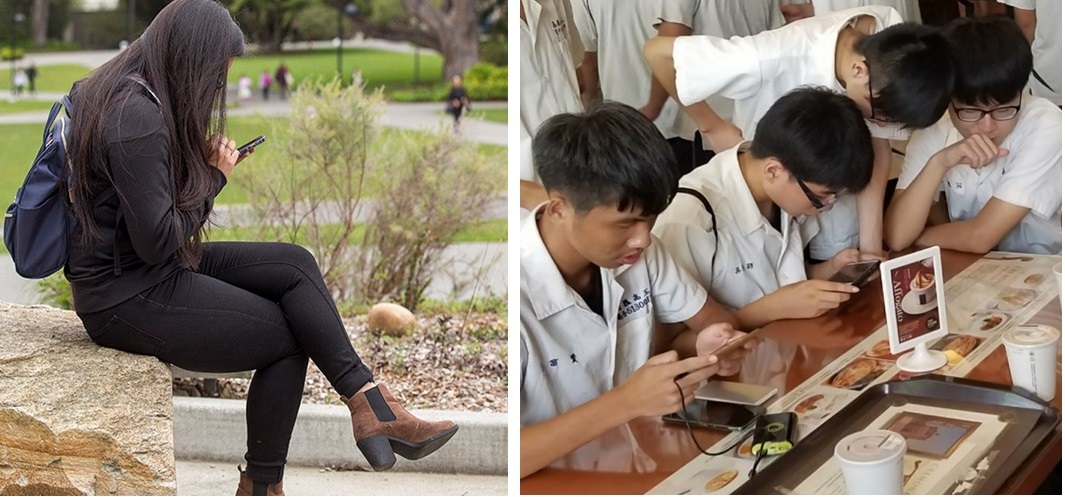
In our modern world, we frequently engage in a forward head position while looking at electronic devices or typing on computers. Prolonged smart phone usage has the potential to negatively impact posture and breathing functions (Jung et al., 2016) since we tilt our head down to look at the screen. Holding the head in a forward position, as displayed in Figure 1, can result in muscle tension in the spine, neck, and shoulders.
 Fig 1. Forward head and neck posture in comparison to a neutral spine. Source: https://losethebackpain.com/conditions/forward-head-posture/
Whenever you bring your head forward to look at the screen or tilt it down to look at your cellphone, your neck and shoulder muscles tighten and your breathing pattern become more shallowly. The more the head is forward, the more difficulty is it to rotate your head as is describe in the blog, Head position, it matters! (Harvey et al, 2018). Over time, the head forward position may lead to symptoms such as headaches and backpain. On the other hand, when we shift to an aligned upright position throughout the day, we create an opportunity to relieve this tension as shown in Figure 2.
 Figure 2. EMG and respiration recording from a subject sitting with a forward head position and a neutral, aligned head position. The neck and shoulder muscle tension was recorded from the right trapezius and left scalene muscles (Mason et all, unpublished). .
The muscle tension recorded from scalene and trapezius muscles (neck and shoulder) in Figure 2 shows that as the head goes forward or tilts down, the muscle tension significantly increases. In most cases participants are totally unware that their neck tightens. It is only after looking at the screen or focus our eyes until the whole day that we notice discomfort in the late afternoon.
Experience this covert muscle tension pattern in the following video, Sensing neck muscle tension-The eye, head, and neck connection.
Interrupt constant muscle tension
One possible reason why we develop the stiffness and discomfort is that we hold the muscles contracted for long time in static positions. If the muscle can relax frequently, it would significantly reduce the probability of developing discomfort. Experience this concept of interrupting tension practice by practicing the following:
- Sit on a chair and lift your right foot up one inch up from the floor. Keep holding it up? For some people, as soon as five seconds, they will experience tightening and the onset of discomfort and pain in the upper thigh and hip.
How long could you hold your foot slight up from the floor? Obviously, it depends on your motivation, but most people after one minute want to put the foot down as the discomfort become more intense. Put the foot down and relax. Notice the change is sensation and for some it takes a while for the discomfort to fade out.
- The reason for the discomfort is that the function of muscle is to move a joint and then relax. If tightening and relaxation occurs frequently, then there is no problem
- Repeat the same practice except lift the foot, relax and drop it down and repeat and repeat. Many people can easily do this for hours when walking.
What to do to prevent neck and shoulder stiffness.
Interrupt static muscle neck tension by moving your head neck and shoulder frequently while looking at the screen or performing tasks. Explore some of the following:
- Look away from the screen, take a breath and as you exhale, wiggle your head light heartedly as if there is a pencil at reaching from the top of your head to the ceiling and you are drawing random patterns on the ceiling. Keep breathing make the lines in all directions.
- Push the chair back from the desk, roll your right shoulder forward, up and back let it drop down and relax. Then roll you left shoulder forward up and back and drop down and relax. Again, be sure to keep breathing.
- Stand up and skip in place with your hands reaching to the ceiling so that when your right foot goes up you reach upward with your left hand toward the ceiling while looking at your left hand. Then, as your left foot goes up your reach upward to the ceiling with your right hand and look at your right hand. Smile as you are skipping in place.
- Install a break reminder program on your computer such as Stretch Break to remind you to stretch and move.
- Learn how to sit and stand aligned and how to use your body functionally such as with the Gokhale Method or the Alexander Technique (Gokhale, 2013; Peper et al, in press, Vineyard, 2007).
- Learn awareness and control neck and shoulder muscle tension with muscle biofeedback. For practitioners certified in biofeedback BCB, see https://certify.bcia.org/4dcgi/resctr/search.html
- Become aware of your collapsed and slouching wearing a posture feedback device such as UpRight Go on your upper back. This device provides vibratory feedback every time you slouch and reminds you to interrupt slouching and be upright and alighned.
Arrange your computer screen and keyboard so that the screen is at eye level instead of having to reach forward or look down. Similarly, hold your cell phone so that it is at eye level as shown in Figure 3 and 4.
 Figure 3. Slouching forward to see the laptop screen can be avoided by using an external keyboard, mouse and desktop riser. Reproduced by permission from www.backshop.nl

Figure 4. Avoid the collapsed while looking down at a cell phone by resting the arms on a backpack or purse and keeping the spine and head alighned. Photo of upright position reproduced with permission from Imogen Ragone, https://imogenragone.com/
Check vision
If you are squinting, bringing your nose to the screen, or if the letters are too small or blurry, have your eyes checked to see if you need computer glasses. Generally do not use bifocals or progressive glasses as they force you to tilt your head up or down to see the material at a specific focal length. Other options included changing the display size on screen by making the text and symbols larger may allow you see the screen without bending forward. Just as your muscle of your neck, your eyes need many vision breaks. Look away from the screen out of the window at a distant tree or for a moment close your eyes and breathe.
What to do if you have stiffness and discomfort
My neck was stiff and it hurt the moment I tried to look to the sides. I was totally surprised that I rapidly increased my flexibility and reduced the discomfort when I implemented the following two practices.
Begin by implementing the previous described preventative strategies. Most important is to interrupt static positions and do many small movement breaks. Get up and wiggle a lot. Look at the blog, Freeing the neck and shoulder, for additional practices.
Then, practice the following exercises numerous times during the day to release neck and shoulder tension and discomfort. While doing these practices exhale gently when you are stretching. If the discomfort increases, stop and see your health professional.
REFERENCES
Cohen, S.P. (2015). Epidemiology, Diagnosis, and Treatment of Neck Pain. Mayo Clinic Proceedings, 90 (2), 284-299. https://doi.org/10.1016/j.mayocp.2014.09.008
Fejer, R., Kyvik, K.Ohm, & Hartvigesen, J. (2006). The prevalence of neck pain in the world population: a systematic critical review of the literature. European Spine Journal, 15(6), 834-848. https://doi.org/10.1007/s00586-004-0864-4
Gokhale, E. (2013). 8 Steps to a Pain-Free Back. Pendo Press.
Harvey, R., Peper, E., Booiman, A., Heredia Cedillo, A., & Villagomez, E. (2018). The effect of head and neck position on head rotation, cervical muscle tension and symptoms. Biofeedback. 46(3), 65–71.
Mason, L., Peper, E., Harvey, R., & Hernandez, W. (unpublished). Healing headaches. Does success sustain over time?
Peper, E., Krüger, B., Gokhale, E., & Harvey, R. (in press). Comparing Muscle Activity and Spine Shape in Various Sitting Styles. Biofeedback.
Vineyar, M. (2007). How You Stand, How You Move, How You Live: Learning the Alexander Technique to Explore Your Mind-Body Connection and Achieve Self-Mastery. Boston: Da Capo Lifelong Books.
Optimize success: Enrich treatment with placebo-the body’s own natural healing response*
Posted: May 2, 2019 Filed under: behavior, health, Pain/discomfort, placebo, surgery, Uncategorized 2 CommentsWhen randomized controlled studies of pharmaceuticals or surgery find that the treatment is no more effective than the placebo, the authors conclude that surgery or drugs have no therapeutic value (Moseley et al, 2002; Jonas et al, 2015). Even though the patients may have gotten better, the researchers often do not explore questions such as, why did some of the patients improve just with the placebo treatment; what are the components of the placebo process; and, how can clinicians integrate placebo components into their practice to enhance the body’s own natural healing response.
To explore these topics further, listen to Shankar Vedantam’s outstanding podcast, A Dramatic Cure, from the NPR program, Hidden Brain-A conversation about life’s unseen patterns. Also, read the background materials on the website https://www.npr.org/2019/04/29/718227789/all-the-worlds-a-stage-including-the-doctor-s-office
 Placebo effects can be a powerful healing strategy as demonstrated by numerous research studies that have persuasively explored the central features of the placebo effect. The research has found that the more dramatic and impressive the procedure, the more powerful the placebo effect. For example, branded medicine with brightly colored packaging is more effective than generic medicine in plain boxes, an injection of a saline or sugar solution is more effective than taking a sugar pill, and placebo surgery is more effective than simply receiving an injection (Branthwaite & Cooper, 1981; Colloca & Benedetti, 2005). For a detailed exploration of placebo, nocebo and the important role of active placebo, see the blog, How effective is treatment? The importance of active placebos.
To see the effect of the placebo in action, watch the well-known British stage hypnotist and illusionist, Derren Brown’s video, Fear and Faith (https://www.youtube.com/watch?v=hfDlfhHVvTY). He magically weaves together a narrative that addresses the powerful influences of the natural, physical, and clinical environment and language used during a ‘therapeutic’ interaction. He shows how the influences of role modeling, the words that increase hope, trust and social compliance, and other covert factors promote healing. It uses the cover of a drug trial to convince various members of the public to overcome their fears using a placebo medicine called “Rumyodin” (which is a made-up name of a fake pharmaceutical) and demonstrates that the limits of experience are the limits of your belief.
This blog post serves as a reminder to ask ourselves as educators and therapists, ‘what can I do to include placebo enhancing components into my practice so that my clinical and educational outcomes are more effective?’ Explore ways to optimize your clinical environment, language use during ‘therapeutic’ interactions, and role modeling to increase hope, trust and social compliance and thereby optimize your clients’ own natural healing response.
Watch the video: Fear and Faith
References:
*I thank Richard Harvey, PhD., for his constructive feedback and James Fadiman, PhD., for reminding me to reframe the term placebo into “the body’s natural healing response.”
Anxiety, lightheadedness, palpitations, prodromal migraine symptoms? Breathing to the rescue!
Posted: March 24, 2019 Filed under: behavior, Breathing/respiration, emotions, health, Pain/discomfort, relaxation, Uncategorized | Tags: anxiety, aura, diaphragmatic breathing, dizzyness, light headedness, migraine, prodrome, symptom prescription 7 Comments
I quickly gasped twice and a sharp pain radiated up my head and into my eye. I shifted to slow breathing and it faded away.
I felt anxious and became aware of my heart palpitations at the end of practicing 70% exhalation for 30 seconds. I was very surprised how quickly my anxiety was triggered when I changed my breathing pattern.
Breathing is the body/mind/emotion/spirit interface which is reflected in our language with phrases such as a sigh of relief, all choked up, breathless, full of hot air, waiting with bated breath, inspired or expired, all puffed up, breathing room, or it takes my breath away. The colloquial phrases reflect that breathing is more than gas exchange and may have the following effects.
- Changes the lymph and venous blood return from the abdomen (Piller, Leduc, & Ryan, 2006). The downward movement of the diaphragm with the corresponding expansion of the abdomen occurs during inhalation as well as slight relaxation of the pelvic floor. The constriction of the abdomen and slight tightening of the pelvic floor causing the diaphragm to go upward and allows exhalation. This dynamic movement increases and decreases internal abdominal and thoracic pressures and acts a pump to facilitate the venous and lymph return from the abdomen. In many people this dynamic pumping action is reduced because the abdomen does not expand during inhalation as it is constricted by tight clothing (designer jean syndrome), holding the abdomen in to maintain a slim self-image, tightening the abdomen in response to fear, or the result of learned disuse to reduce pain from abdominal surgery, gastrointestinal disorders, or abdominal insults (Peper et al, 2015).
- Increases spinal disk movement. Effortless diaphragmatic breathing is a whole body process and associated with improved functional movement (Bradley, & Esformes, 2014). The spine slightly flexes when we exhale and extends when we inhale which allows dynamic disk movement unless we sit in a chair.
- Communicates our emotional state as our breathing patterns reflect our emotional state. When we are anxious or fearful the breath usually quickens and becomes shallow while when we relax the breath slows and the movement is more in the abdomen (Homma, & Masoka, 2008).
- Evokes, maintains, inhibits symptoms or promotes healing. Breathing changes our physiology, thoughts and emotions. When breathing slowly to about 6 breaths a minute, it may enhance heart rate variability and thereby increase sympathetic and parasympathetic balance (Lehrer & Gevirtz, 2014; Moss & Shaffer, 2017).
Can breathing trigger symptoms?
A fifty-five year old woman asked for suggestions what she could do to prevent the occurrence of episodic prodrome and aura symptoms of visual disturbances and problems in concentration that would signal the onset of a migraine. In the past, she had learned to control her migraines with biofeedback; however, she now experienced these prodromal sensation more and more frequently without experiencing the migraine. As she was talking, I observed that she was slightly gasping before speaking with shallow rapid breathing in her chest.
To explore whether breathing pattern may contribute to evoke, maintain or amplify symptoms, the following two behavioral breathing challenges can suggest whether breathing is a factor: Rapid fearful gasping or 70% exhalation.
Behavioral breathing challenge: Rapid fearful gasping
Take a rapid fearful gasp when inhaling as if your feel scared or fearful. Let the air really quickly come in and repeat two or three times as described in the video. Then describe what you experienced.
If you became aware of the onset of a symptom or that the symptom intensified, then your dysfunctional breathing patterns (e.g., gasping, breath holding or shallow chest breathing) may contribute to development or maintenance of these symptoms. For many people when they gasp–a big rapid inhalation as if they are terrified–it may evoke their specific symptom such as a pain sensation in the back of the eye, slight pain in the neck, blanking out, not being able to think clearly, tightness and stiffness in their back, or even an increase in achiness in their joints (Peper et al, 2016).
To reduce or avoid triggering the symptom, breathe diaphragmatically without effort; namely each time you gasp, hold your breath or breathe shallowly, shift to effortless diaphragmatic breathing.
The above case of the woman with the prodromal migraine symptoms, she experienced visual disturbances and fuzziness in her head after the gasping. This experience allowed her to realize that her breathing style could be a contributing in triggering her symptoms. When she then practiced slow diaphragmatic breathing for a few breaths her symptoms disappeared. Hopefully, if she replaces gasping and shallow breathing with effortless diaphragmatic breathing then there is a possibility that her symptoms may no longer occur.
Behavioral breathing challenge: 70% exhalation
While sitting, breathe normally for a minute. Now change your breathing pattern so that you exhale only 70% or your previous inhaled air. Each time you exhale, exhale only 70% of the inhaled volume. If you need to stop, just stop, and then return to this breathing pattern again by exhaling only 70 percent of the inhaled volume of air. After 30 seconds, let go and breathe normally as guided by the video clip. Observe what happened?
In our research study with 35 volunteers, almost all participants experienced an increase in arousal and symptoms such as lightheadedness, dizziness, anxiety, breathless, neck and shoulder tension after 30 seconds of incomplete exhalation as shown in Figure 1 and Table 1 (Peper and MacHose, 1993).
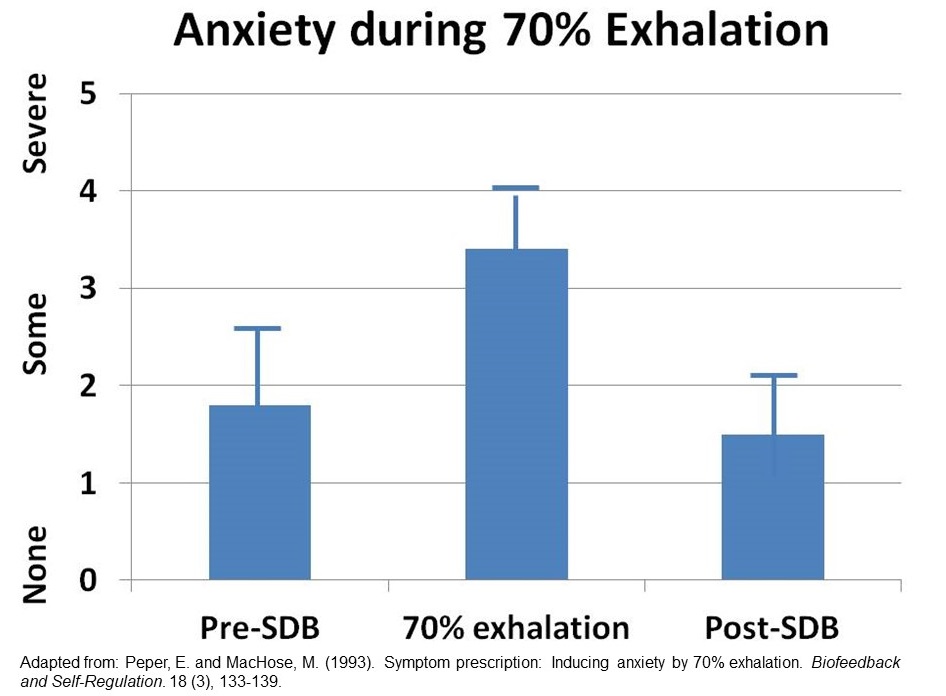
Figure 1. Increase in anxiety evoked by 70% exhalation.

Table 1. Symptoms experienced after exhalation 70%.
Although these symptoms may be similar to those evoked by hyperventilation and overbreathing, they are probably not caused by the reduction of end-tidal carbon dioxide (CO2). The apparent decrease in end-tidal PCO2 is cause by the room air mixing with the exhaled air and not a measure of end-tidal CO2 (Peper and Tibbets, 1992). Most likely the symptoms are associated by the shallow breathing that occurs when we were scared or terrified.
People who have a history of anxiety, panic, nervousness and tension as compared to those who report low anxiety tend to report more symptoms when exhaling 70% of inhaled air for 30 seconds. If this practice evoked symptoms, then changing the breathing patterns to slower diaphragmatic breathing may be a useful self-regulation strategy to optimize health.
These two behavior breathing challenges are useful demonstrations for students and clients that breathing patterns can influence symptoms. By experiencing ON and OFF control over their symptoms with breathing, the person now knows that breathing can affect their health and well being.
BLOGS WITH INSTRUCTIONS FOR LEARNING EFFORTLESS DIAPHRAGMATIC BREATHING
https://peperperspective.com/2017/11/17/breathing-to-improve-well-being/
https://peperperspective.com/2018/10/04/breathing-reduces-acid-reflux-and-dysmenorrhea-discomfort/
https://peperperspective.com/2015/02/18/reduce-hot-flashes-and-premenstrual-symptoms-with-breathing/
https://peperperspective.com/2017/03/19/enjoy-sex-breathe-away-the-pain/
REFERENCES
Lehrer, P.M. & Gevirtz, R. (2014). Heart rate variability biofeedback: how and why does it work? Frontiers in Psychology, 5
Relive memory to create healing imagery
Posted: February 15, 2019 Filed under: behavior, health, placebo, relaxation, self-healing, Uncategorized | Tags: conditioning, Imagery, Pavlov, visualization 4 Comments
This blog describes a structured imagery that evokes past memories of joy and health and integrates them into a relaxation practice to support healing. First, a look at the logic for the practice and then the process of creating your own personal imagery script. A sample audio file is included as a model for creating your MP3 file. The blog is adapted from Peper, E., Gibney, K.H. & Holt. C. (2002). Make Health Happen: Training Yourself to Create Wellness. Dubuque, IA: Kendall-Hunt.
“I enjoyed regressing back into my childhood, remembered playing in the rain, making paper sailboats with my brother…. Placing my fingers in a bowl of water and stroking a paper sailboat enabled me to participate in the total experience… I felt tingling sensations all over my body, like tiny bundles of energy exploding inside of me. By the end of the week the simple word “rain” could induce these sensations inside my whole being.”–Student
Daydreaming! We all know how to do it. When we daydream, we feel, sense, hear, and taste our daydream—the image becomes tangible, as if we are living it. A well-developed relaxation image can also include colors, scents, sounds, flavors, temperature, and so forth. Evoking a past memory image of wholeness may contribute significant to healing, as illustrated in Pavlov’s experience with controlled conditioning and with self-healing.
THE POWER OF CONDITIONING
Pavlov’s experience
Most of us are probably familiar with the classical conditioning experiment of the famous Russian physiologist, Ivan Pavlov, who taught dogs to salivate on cue when they heard a bell ring—even when no food was provided. Pavlov accomplished this by giving the dogs food immediately after ringing a bell. Eventually, the dogs became conditioned to expect the food with the bell and simply hearing the bell ring would induce salivation (shown in Figure 1).

Figure 1. The process of classical conditioning. (Figure adapted from: https://opentextbc.ca/introductiontopsychology/chapter/7-1-learning-by-association-classical-conditioning/)
The conditioning effects of imagery can have an effect on health as well as physiology as reflected in an anecdote told by Theodore Melnechuk about Ivan Pavlov. As an old man, he became quite ill with heart disease and his doctors had no hope of curing him. They took his family aside and told them that the end was near. Pavlov himself, however, was not disheartened. He asked the nurse who was caring for him to bring him a bowl of warm water with a little dirt or mud in it. All day, as he lay in bed, he dabbled one hand in the water, with a dreamy, faraway look on his face. His family was quite sure that he had taken leave of his wits and would die soon. However, the next morning he announced that he felt fine, ate a large breakfast, and sat out in the sun awhile. By the end of the day, when the doctor came to check on him, there was no trace of the heart condition. When asked to explain what he had done, he said that he had reasoned that if he could recall a time when he was completely carefree and happy, it might have some healing benefit for him. As a young boy, he used to spend his summers playing with his friends in a shallow swimming hole in a nearby river. The memory of the warm, slightly muddy water was delightful to him. With his knowledge of the power of conditioned stimuli, he reasoned that having a physical reminder of that water might help him evoke that experience and those blissful feelings, and bring some of those memories into the present time. Using this strategy, he harnessed positive memory and the associated emotions that evoked the associated body changes to bring about his healing.
Conditioned Behaviors
We all performs many conditioned behaviors every day. Some of these behaviors can have implications for our health and wellness. There may be aspects of allergic reactions that are conditioned. For example, the literature reports that a woman who was allergic to roses developed a severe allergic reaction to a very realistic-looking paper rose, even though she was not allergic to paper. Her body reacted as if the paper rose was real. (McKenzie, 1886; Vits et al, 2011).
Conditioning can also affect our immune system. When rats were injected with a powerful immune-suppressing drug, while being fed saccharin-flavored water, their immune function showed an immediate drop. After the drug and saccharine water were paired a number of times, the rats were then given just the saccharin water and a harmless injection of salt water. Their immune cells responded exactly as if they had received the drug! The reverse ability, increasing immune cell function, has been shown to be influenced through conditioning (Ader, Cohen & Felten, 1995; Ader and Cohen, 1993).
Belief can also play a role in these scenarios. Bernie Siegel, MD,(2011) has recounted the story of a woman scheduled for chemotherapy who was first given a saline solution, and cautioned that it could cause hair loss. Although this is an unlikely result of a saline injection, given her belief, her hair fell out.
Actions, thoughts, and images affect our physiology.
We often anticipate, react, and form conclusions with incomplete information. Thoughts and images affect our physiology and even our immune system. Re-evoking a positive memory and living in that memory could potentially improve your health. In a remarkable study by a Harvard psychologist, Ellen Langer, eight men in their 70s lived together for one week, recreating aspects of the world that they had experienced more than 20 years earlier. They were instructed to act as they had in 1959, while the control group was instructed to focus entirely on the present time.
In the experimental group, all the physical cues were reminiscent of the culture twenty years earlier. Black and white television and magazines were from 1959. There were no mirrors to remind them of their current age—only photos on the wall of their younger selves. After a week in which the participants acted as if they were younger and the cues around them evoked their younger selves, 63% of the experimental group had improved their cognitive performance as compared with 44% of the control group. Among participants in the experimental group, even their physical health had improved. Independent raters who looked at the before and after pictures of these participants rated their appearance a little younger than the photos taken before the experiment (Langer, 2009; Grierson, 2014; Friedman, 2015). It is possible that by acting and thinking younger, we actually stay younger!
The limits of our belief are the limits of our experience. This concept underlies the remarkable power of placebo. If one believes a drug or a procedure is helpful, that can have a powerful healing effect (Peper & Harvey, 2017; also see the blog, How effective is treatment? The importance of active placebos).
CREATE YOUR OWN VISUALIZATION
Begin by remembering a time when you felt happy, healthy, and whole. Draw inspiration from Pavlov, who evoked happy memories from his childhood, apparently dramatically changing his health. To develop your personal visualization, set aside the time to recreate a healing memory. Remember a time in your life when you felt healthy and joyous (possibly from your childhood). For some, this might be time in nature or with your family or with friends.
Once you remember the event, re-experience it as if you were there right now. Evoke as many senses as possible. Think of the memory and any associations such as an old teddy bear, a shell from the beach, a favorite song, a certain perfume or some other tangible aspect of the experience. The goal is to recreate the experience as if it was current reality. Olfactory and gustatory cues can be especially powerful. If possible include the actual objects and cues associated with that memory—articles, pictures, music, songs, fragrances, or even food.
Sounds, scents, or touching and objects from that era of your life can deepen your ability to recreate and experience the quality of that memory—to actually be in the memory. These sensory reminders will help to evoke the memory and increase the felt experience. You might find it helpful to review Ellen Langer’s experiment, recreating an environment from twenty years earlier. The actual cues will deepen the experience, just as aromas often evoke specific memories and emotions.
The underlying principle is that memories are associated with conditioned stimuli that evoke the physiological state(s) in the body present when the memory was created.
Once you have created a vivid memory that engenders a sense of wholeness, develop a detailed description of your memory to help you evoke that experience. (For some, the memory calls up a timeless setting—relaxing on a warm beach, sitting in front of the fire on a winter evening, or sailing on a calm day. For others, the sense of trust may be associated with a specific person—someone you love—being with your grandmother, helping your mother bake a cake, or going fishing with your dad.). As you recreate the experience, engage all your senses (images, fragrance, tastes, textures, sounds, kinetics). Stay in your image: see it, smell it, taste it, touch it, hear it, be it and allow the experience to deepen.
Begin by writing up your imagery. Then record the introduction the structured relaxation and follow it with a description that evokes the memory as an MP3 audiofile. Use the following three-step process to create the script for your personal relaxation.
- Describe a time in your past when you felt joy, peace, love, or a sense of integration and wholeness.
_________________________________________________________________
_________________________________________________________________
- Identify the specific cues or stimuli associated with that memory.
_________________________________________________________________
_________________________________________________________________
- Write out a detailed description that will evoke your personal memory.
_________________________________________________________________
_________________________________________________________________
_________________________________________________________________
_________________________________________________________________
CREATING YOUR AUDIO FILE
In this approach, there are three components to your script: first, a relaxation practice to ease you into your visualization, then the visualization of your memory, closing with a brief script that brings you back into the present moment.
Begin the recording with progressive relaxation—use your favorite process for relaxing, or apply the script included here.
Generally tense the muscles for about 5 to 8 seconds and let go for 15 to 20 seconds as indicated by the …. inthe script. While tightening and relaxing the muscles, sense the muscle sensations with passive attention. Tense only the muscles that you are instructed to tighten and continue to breathe while tensing and relaxing the muscles. If your attention wanders, gently bring it back to feeling the sensations in the specific muscles that you are instructed to tighten or relax.
First, find a comfortable position for relaxation… To fully relax your face, squeeze your eyes shut tight, press your lips and teeth together, and wrinkle up your nose… feel the tightness in your whole face… Now let it go completely and relax… Allow your face to soften, feel the eyes sinking in their sockets, and your breath to flow effortlessly in and out…
Tense both arms by making fists, and extend them straight ahead, while continuing to breathe deeply… study the tension… Now relax and let your arms drop as if you were a rag doll… To relax your shoulders, hunch them toward your ears and tighten your neck, while keeping the rest of your body loose and relaxed… Continue to breathe easily… Allow your shoulders to drop… Feel the weight of your arms… Feel the relaxation flowing from your shoulders, down your arms into your hands and out your fingers…
Now your stomach. Then let go and relax… Arch your back and feel the tightness in the back. Let go and relax….Allow your body to sink comfortably into the surface on which you are resting… Finally, tighten your butt, thighs, calves, and feet by pressing your heels down into the surface where you are lying, curling your toes and squeezing your knees together… Feel the tension as you continue to breathe, keeping your upper body relaxed… Now let go and relax… Allow relaxation to flow through your legs… Be aware of the sensations of letting go…
Feel the deepening relaxation, the calmness and the serenity… Feel each exhalation flowing down and through your arms, chest, and legs… Let the feelings of relaxation and heaviness deepen as you relax more… Notice the developing sense of inner peace… a calm indifference to external events… Let the feelings of relaxation, calmness, and serenity deepen for a few minutes. After a few minutes, evoke your memory of wholeness.
Insert your imagery script here.
Finish with the brief closing script
Allow yourself to just stay in this special place all your own… and know that you can return to this peaceful sanctuary any time you choose to do so. When you are ready to release the imagery, take a deep breath, gently stretch your body, and open your eyes.
Record these this whole script on your cell phone as an MP3 file.
When you record, it often takes a few tries before the pacing is correct. You may find it helpful to listen to the following audio file as a model for to create your own.
LISTENING TO YOUR VISUALIZATION
Create a sanctuary for yourself by turning off your cellphone, adjusting the heat to a comfortable temperature, and ensuring that you will have uninterrupted quiet time for 20 to 30 minutes. Loosen any constricting clothing or jewelry, your glasses, and so on. Settle into a comfortable chair, bed, or setting where you can easily relax. Enjoy letting yourself drift into and relive the memory experience.
Many participants report that this practice is an exceptionally relaxing and nurturing experience, one that supports regeneration. You’ll probably find that the more you practice, the more the relaxation deepens. You may find it helpful to keep notes and observe how you feel after each practice. Although it may feel strange to listen to your own voice, most people find that after a while it becomes more comfortable. After listening to it for a few times, you may want to rerecord the script. Finally, generalize this practice by smiling and evoking the memory scene as much as you desire during the day.
Additional strategies to enhance the relaxation
- Have a massage or take a warm shower or soak and then do the practice. Compare your level of relaxation afterwards to the result of using the audio alone.
- Practice gentle stretches to loosen tight muscles or “shake out” your arms and legs just before doing your relaxation practice.
- Draw or paint the relaxing image or actually go to the location where your memory occurred (if possible) and do your practice. Or practice outdoors in the most relaxing place you can find. Nature can be a great healer.
- Create an atmosphere that helps to evoke and augment your relaxation image (e.g., play background music or use fragrances that you associated with the image).
Common challenges
- Inability to evoke a memory of wholeness. When this occurs, it is as if one draws a blank. This is common, especially if one has experienced abuse or feels depressed. In that case, use the image presented in the script or make one up and create a totally imaginary peaceful image.
- Positive memories of wholeness evoke a bitter/sweet feeling. This occurs when images of wholeness include a loved one who has passed on or who is no longer in your life. On the one hand, this may call up strongly positive feelings, but it may evoke a sense of loss and sadness. If this occurs, simply chose a different memory or create a different script. Let the memory of loss go. Accept your experience and your feelings as much as possible, and know that at least you have been loved. For your image, it may be easier to focus on a natural setting you love—one you associate with peace and tranquility.
- Lack of experience with places in nature. Some people have only urban experiences and find nature alien. See what comes up for you. Does your favorite memory as a city kid recall a day of freedom on your bike or skateboarding, or an afternoon with your playmates? Perhaps you have treasured memories as a teen or an adult of long walks in the city or time spent with close friends. You also have the option of creating new images such as sitting by a fireplace, in a walled garden, or some other scene of peace and safety.
- Difficulty using progressive relaxation. If you’re having trouble isolating a muscle: touch it, stroke it with your hands, and then tense it fully (without strain) and feel the tension in your hands; feel the difference with your hands as you let go of the tension. Or, you may tighten only as much as is needed to feel the tension.
- The desire to stay in the imagery and not wanting to return to reality. If the imagery is much more pleasant than the present, use this process as a stimulus to reorganize your life and set new goals and priorities.
References
Ader, R. & Cohen, N. (1993). Psychoneuroimmunology, Conditioning,_and_Stress. Annual Review of Psychology, 44(1), 53-85.
Ader, R., Cohen, N. and Felten, D. (1995) Psychoneuroimmunology: Interactions between the Nervous System and the Immune System. The Lancet, 345, 99-103.
https://doi.org/10.1016/S0140-6736(95)90066-7
Friedman, L. F. (2015). A radical experiment tried to make old people young again–and the results were astonishing . https://www.businessinsider.com/ellen-langers-reversing-aging-experiment-2015-4
Grierson, B. (2014). What if age is nothing more than a mind-set? New York Times Magazine. October 22.
Langer, E. (2009). Counterclockwise: Mindful Health and the Power of Possibility . New York: Ballantine Books.
McKenzie, J. (1886). The production of the so-called rose effect by means of an artificial rose, with remarks and historical notes. Am. J. Med. Sci. 91, 45–57
Peper, E., Gibney, K.H. & Holt. C. (2002). Make Health Happen: Training Yourself to Create Wellness . Dubuque, IA: Kendall-Hunt. ISBN-13: 978-0787293314
Peper, E. & Harvey, R. (2017). The fallacy of placebo controlled clinical trials: Are positive outcomes the result of indirect treatment side effects? NeuroRegulation. 4(3–4), 102–113. doi:10.15540/nr.4.3-4.102
Siegel, B. (2011, May). Remarkable recoveries. Retrieved from: http://berniesiegelmd.com/resources/articles/remarkable-recoveries/
Vits, S., Cesko, E., Enck, P., Hillen, U., Schadendorf, D., & Schedlowski, M. (2011). Behavioural conditioning as the mediator of placebo responses in the immune system. Philosophical Transactions: Biological Sciences, 366(1572), 1799–1807. http://www.jstor.org/stable/23035535
Listen to Hidden Brain
Posted: January 31, 2019 Filed under: behavior, emotions, health, Uncategorized | Tags: anthropology, economics, psychology, sociology Leave a comment Each time when I commute with BART to San Francisco State University, I put on my sound cancelling headphones to block out the screeching sounds of the wheels scrapping against the rails and listen to the superb pod cast, Hidden Brain. This podcast is hosted by NPR social science correspondent Shankar Vedantam and links research from psychology and neurobiology with findings from economics, anthropology, and sociology, among other field
It uses science and storytelling to reveal the unconscious patterns that drive human behavior, and the biases that shape our choices (text adapted from: Hidden Brain.
I continue to be surprised by the remarkable knowledge presented in a storytelling format that is “a conversation about life’s unseen patterns.” As I listen, the commute time disappears and I have a front row seat to an outstanding podcast.
Head position, it matters!*
Posted: January 23, 2019 Filed under: behavior, digital devices, Exercise/movement, health, Neck and shoulder discomfort, Pain/discomfort, posture, Uncategorized 5 CommentsThe blog has been adapted from our published article, Harvey, R., Peper, E., Booiman, A., Heredia Cedillo, A., & Villagomez, E. (2018). The effect of head and neck position on head rotation, cervical muscle tension and symptoms. Biofeedback. 46(3), 65–71.
Why is it so difficult to turn your head to see what is behind you?
How come so many people feel pressure in the back of the head or have headaches after working on the computer?
Your mother may have been right when she said, “Sit up straight! Don’t slouch!” Sitting slouched and collapsed is the new norm as digital devices force us to slouch or tilt our head downward. Sometimes we scrunch our neck to look at the laptop screen or cellphone. This collapsed position also contributes to an increased in musculoskeletal dysfunction (Nahar & Sayed, 2018). The more you use a screen for digital tasks, the more you tend to have head-forward posture, especially when the screens are small (Kang, Park, Lee, Kim, Yoon, & Jung, 2012). In addition, the less time children play outside and the more time young children watch the screen, the more likely will they become near sighted and need to have their vision corrected (Sherwin et al, 2012). In addition, the collapsed head forward position unintentionally decreases subjective energy level and may amplify defeated, helpless, hopeless thoughts and memories (Bader, 2015; Peper & Lin, 2012; Tsai, Peper, & Lin, 2016; Peper et al, 2017).
Explore the following two exercises to experience how the head forward position immediately limits head rotation and how neck scrunching can rapidly induce back of the head pressure and headaches.
Exercise 1. Effect of head forward position on neck rotation
Sit at the edge of the chair and bring your head forward, then rotate your head to the right and to the left and observe how far you can rotate. Then sit erect with the crown of the head reaching towards the ceiling and again rotate your head from right to left and observe how far you can rotate as shown in Figure 1.
 Figure 1. Head-erect versus head-forward position.
What did you experience?
Most likely your experience is similar to the 87 students (Mean Age = 23.6 years) who participated in this classroom activity designed to bring awareness of the effect of head and neck position on symptoms of muscle tension. 92.0% of the students reported that is was much easier to rotate their head and could rotate further during the head-erect position as compared to the head-forward position (see Figure 2).
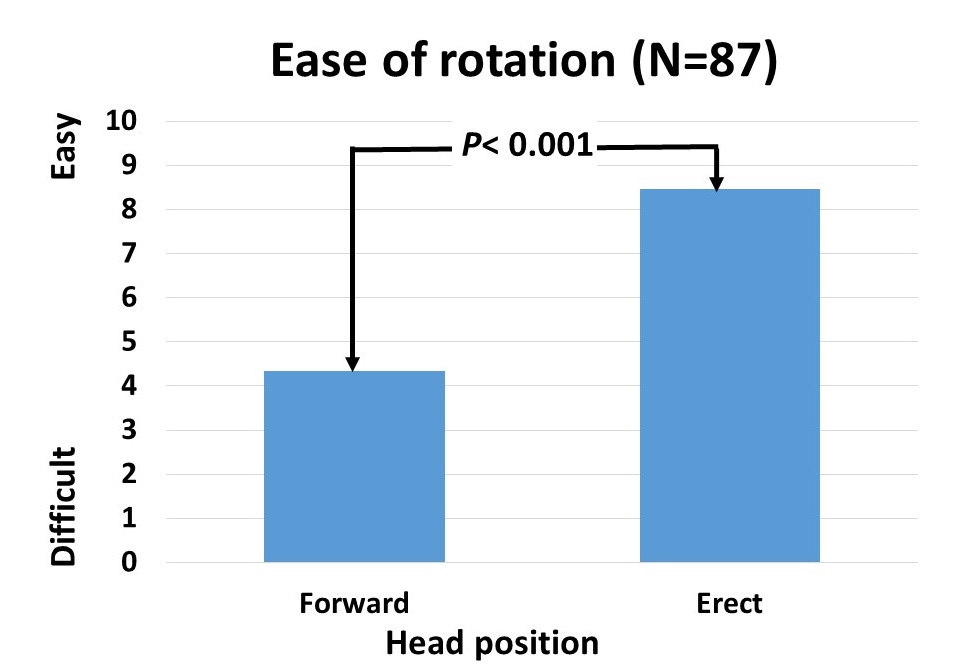 Figure 2. Self-report of ease of head rotation.
What does this mean?
Almost all participants were surprised that the head forward position restricted head rotation as well as reduced peripheral awareness (Fernandez-de-Las-Penas et al., 2006). The collapsed head forward may directly affect personal safety; since, it reduces peripheral awareness while walking, biking or driving a car. In addition, when the head is forward, the cervical vertebrae are in a more curved position compared to the erect head with the normal cervical curve (Kang et al., 2012). This means that in the head-forward position, the pressure on the vertebrae and the intervertebral disc is elevated compared to the preferred position with a stretched neck. This increases the risk of damage to the vertebrae and intervertebral disc (Kang et al, 2012). It also means that the muscles that hold the head in the forward position have to work much harder.
Be aware that of factors that contribute to a head-forward position.
- Sitting in a car seat in which the headrest pushes the head forward. Solutions: Tilt the headrest back or put pillow in your back from your shoulders to your pelvis to move your body slightly forward.
- If you wear a bun or ponytail, the headrest (car, airplane seat, or chair) will often push your head forward. This causes a change of the head to a more forward position and it becomes a habit without the person even knowing it. Solution: Place a pillow in your back to move your body forward or loosen the bun or ponytail.
- Difficulty reading the text on the digital screen. The person automatically cranes their head forward to read the text. Solutions: Have your eyes checked and, if necessary, wear computer-reading glasses; alternatively, increase the font size and reduce glare.
- Working on a laptop and looking down on the screen. Solutions: Detachable keyboard and laptop on a stand to raise screen to eye level as shown in Figure 3.
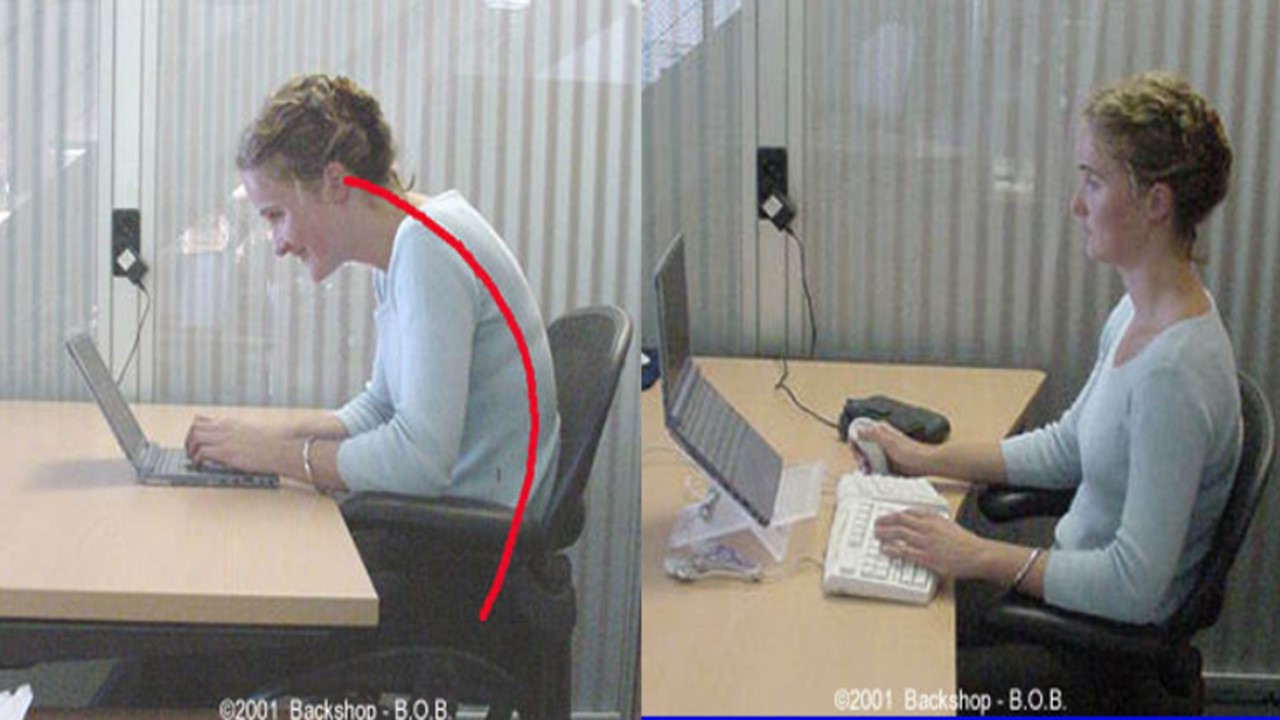
Figure 3. Trying to read the laptop screen, which causes the head to go forward as compared to raising the screen and using an external keyboard. Reproduced by permission from www.backshop.nl
- Being tired or exhausted encourages the body to collapse and slouch and increases the muscle tension in the upper cervical region. You can explore the effect of tiredness that causes slouching and head-forward position during the day by observing the following if you drive a car.
In the morning, adjust your rear mirror and side mirrors. Then at the end of the day when you sit in the car, you may note that you may need to readjust your inside rear mirror. No, the mirror didn’t change of position during the day by itself—you slouched unknowingly. Solutions: Take many breaks during the day to regenerate, install stretch break reminders, or wear an UpRight Go posture feedback device to remind you when you begin to slouch (Peper, Lin & Harvey, 2017).
Exercise 2: Effect of neck scrunching on symptom development
Sit comfortably and your nose forward and slightly. While the head is forward tighten your neck as if your squeezing the back of the head downward into the shoulders and hold this contracted neck position for 20 seconds. Let go and relax.
What did you experience?
Most likely your experience was similar to 98.4% of the 125 college students who reported a rapid increase in discomfort after neck scrunching as shown in Figure 4.
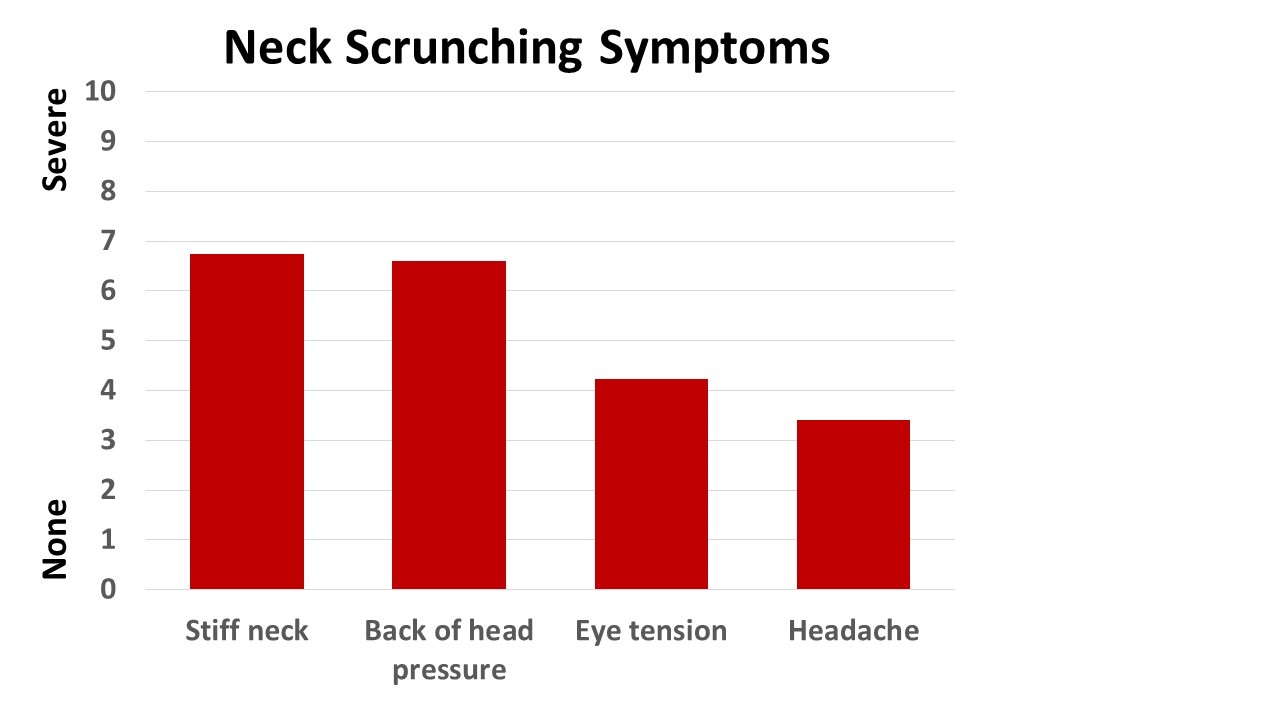 Figure 4. Symptoms induced by 30 seconds of neck scrunching.
During scrunching there was a significant increase in the cervical and trapezius sEMG activity recorded from 12 volunteers as shown in Figure 5. Figure 5. Change in cervical and trapezius sEMG during head forward and neck scrunching.
What does this mean?
Nearly all participants were surprised that 30 seconds of neck scrunching would rapidly increase induce discomfort and cause symptoms. This experience provided motivation to identify situations that evoked neck scrunching and avoid those situations or change the ergonomics that induced the neck scrunching. If you experience headaches or neck discomfort, scrunching could be a contributing factor.
Factors that contribute to neck scrunching and discomfort.
- Bringing your head forward to see the text or graphics more clearly. There may be multiple causes such as blurred vision, tiny text font size, small screen and ergonomic factors. Possible solutions. Have your eyes checked and if appropriate wear computer-reading glasses. Increase the text font size or use a large digital screen. Reduce glare and place the screen at the appropriate height so that the top of the screen is no higher than your eyebrows.
- Immobility and working in static position for too long a time period. Possible solutions. Interrupt your static position with movements every few minutes such as stretching, standing, and wiggling.
Conclusion
These two experiential practices are “symptom prescription practices” that may help you become aware that head position contributes to symptoms development. For example, if you suffer from headaches or neck and backaches from computer work, check your posture and make sure your head is aligned on top of your neck–as if held by an invisible thread from the ceiling and take many movement breaks.The awareness may help you to identify situations that cause these dysfunctional body patterns that could cause symptoms. By inhibiting these head and neck patterns, you may be able to reduce or avoid discomfort. Just as a picture is worth a thousand words, self-experience through feeling and seeing is believing.
REFERENCES
Bader, E. E. (2015). The Psychology and Neurobiology of Mediation. Cardozo J. Conflict Resolution, 17, 363.
Fernandez-de-Las-Penas, C., Alonso-Blanco, C., Cuadrado, M. L., & Pareja, J. A. (2006). Forward head posture and neck mobility in chronic tension-type headache: A blinded, controlled study. Cephalalgia, 26(3), 314-319.
Kang, J. H., Park, R. Y., Lee, S. J., Kim, J. Y., Yoon, S. R., & Jung, K. I. (2012). The effect of the forward head posture on postural balance in long time computer based worker. Annals of rehabilitation medicine, 36(1), 98-104.
Lee, M. Y., Lee, H. Y., & Yong, M. S. (2014). Characteristics of cervical position sense in subjects with forward head posture. Journal of physical therapy science, 26(11), 1741-1743. https://doi.org/10.1589/jpts.26.1741
Nahar, S., & Sayed, A. (2018). Prevalence of musculoskeletal dysfunction in computer science students and analysis of workstation characteristics-an explorative study. International Journal of Advanced Research in Computer Science, 9(2), 21-27. https://doi.org/10.26483/ijarcs.v9i2.5570
Peper, E., & Lin, I. M. (2012). Increase or decrease depression: How body postures influence your energy level. Biofeedback, 40(3), 125-130
Peper, E., Lin, I-M., Harvey, R., & Perez, J. (2017). How posture affects memory recall and mood. Biofeedback.45 (2), 36-41.
Peper, E., Lin, I-M, & Harvey, R. (2017). Posture and mood: Implications and applications to therapy. Biofeedback.35(2), 42-48.
Sherwin, J.C., Reacher, M.H., Keogh, R.H., Khawaja, A.P, Mackey, D.A., & Foster, P.J. (2012). The Association between Time Spent Outdoors and Myopia in Children and Adolescents: A Systematic Review and Meta-analysis. Ophthalmology, 119(10), 2141-2151. https://doi.org/10.1016/j.ophtha.2012.04.020
Tsai, H. Y., Peper, E., & Lin, I. M. (2016). EEG patterns under positive/negative body postures and emotion recall tasks. NeuroRegulation, 3(1), 23-27.
*This blog was adapted from our published article, The blog has been adapted from our research article, Harvey, R., Peper, E., Booiman, A., Heredia Cedillo, A., & Villagomez, E. (2018). The effect of head and neck position on head rotation, cervical muscle tension and symptoms. Biofeedback. 46(3), 65–71.
Today is a new day-a new beginning
Posted: December 31, 2018 Filed under: behavior, health, Pain/discomfort, self-healing, Uncategorized | Tags: dance, hope, joy, pain, regenration, spinal injury 3 CommentsIn a world of turmoil, it is often challenging to think that tomorrow can be different and better. Yet, each day is an opportunity to accept whatever happened in the past and look forward to the unfolding present. So often, we anticipate that the future will be the same or worse especially if we feel depressed, suffer from ongoing pain, chronic illness, family or work stress, etc. At those moments, we forget that yesterday’s memories may contribute to how we experience and interpret the future. Most of us do not know what the future will bring, thus be open to new opportunities for growth and well-being. For the New Year, adapt a daily ritual that I learned from a remarkable healer Dora Kunz.
Each morning when you get out of bed, take a few slow deep breaths. Then think of someone who you feel loved by and makes you smile whether your grandmother, aunt or dog. Then when you get up and put your feet on the ground, say out loud, “Today is a new day- a new beginning.”
Watch the following two videos of people for whom the future appeared hopeless and yet had the courage to transcend their limitations and offer inspiration and joy.
Janine Shepherd: A broken body isn’t a broken person. Cross-country skier Janine Shepherd hoped for an Olympic medal — until she was hit by a truck during a training bike ride. She shares a powerful story about the human potential for recovery. Her message: you are not your body, and giving up old dreams can allow new ones to soar.
Ma Li and Zhai Xiaowei: Hand in Hand. This is a video of a broadcast that originally aired on China’s English-language CCTV channel 9 during a modern dance competition in Beijing, China in 2007. This very unique couple–she without an arm, he without a leg–was one of the finalists among 7000 competitors in the 4th CCTV national dance competition. It is the first time a handicapped couple had ever entered the competition. They won the silver medal and became an instant national hit. The young woman, in her 30’s, was a dancer who had trained since she was a little girl. Later in life, she lost her entire right arm in an automobile accident and fell into a state of depression for a few years. After rebounding, she decided to team with a young man who had lost his leg in a farming accident as a boy and who was completely untrained in dance. After a long and sometimes agonizing training regimen, this is the result. The dance is performed by Ma Li (馬麗) and Zhai Xiaowei (翟孝偉). The music “Holding Hands” is composed by San Bao and choreographed by Zhao Limin.
What is normal may be habitual and not true for others
Posted: November 21, 2018 Filed under: behavior, health, Uncategorized Leave a commentThe pot roast parable/allegory reprinted from http://selfdefinedleadership.com/blog/
A young woman is preparing a pot roast while her friend looks on. She cuts off both ends of the roast, prepares it and puts it in the pan. “Why do you cut off the ends?” her friend asks. “I don’t know”, she replies. “My mother always did it that way and I learned how to cook it from her”.
Her friend’s question made her curious about her pot roast preparation. During her next visit home, she asked her mother, “How do you cook a pot roast?” Her mother proceeded to explain and added, “You cut off both ends, prepare it and put it in the pot and then in the oven”. “Why do you cut off the ends?” the daughter asked. Baffled, the mother offered, “That’s how my mother did it and I learned it from her!”
Her daughter’s inquiry made the mother think more about the pot roast preparation. When she next visited her mother in the nursing home, she asked, “Mom, how do you cook a pot roast?” The mother slowly answered, thinking between sentences. “Well, you prepare it with spices, cut off both ends and put it in the pot”. The mother asked, “But why do you cut off the ends?” The grandmother’s eyes sparkled as she remembered. “Well, the roasts were always bigger than the pot that we had back then. I had to cut off the ends to fit it into the pot that I owned”.
What we are used to is what we assume to be normal. Similarly, we interpret the results of scientific studies–often recorded from college students or white males–can be generalized to all people. We forget that what is “normal” may only be normal for this moment of time and specific location for western, educated, industrialized, rich, and democratic (WEIRD) people. Without being aware of our evolutionary past, without awareness how we evolved, and without asking questions, we accept cultural patterns and habits even though there may be other options. Enjoy the blog by Daniel Hruschka that was republished from The Conversation under a Creative Commons license.

You can’t characterize human nature if studies overlook 85 percent of people on Earth
Daniel Hruschka, Arizona State University ,
By only working in their own backyards, what do psychology researchers miss about human behavior? Over the last century, behavioral researchers have revealed the biases and prejudices that shape how people see the world and the carrots and sticks that influence our daily actions. Their discoveries have filled psychology textbooks and inspired generations of students. They’ve also informed how businesses manage their employees, how educators develop new curricula and how political campaigns persuade and motivate voters.
But a growing body of research has raised concerns that many of these discoveries suffer from severe biases of their own. Specifically, the vast majority of what we know about human psychology and behavior comes from studies conducted with a narrow slice of humanity – college students, middle-class respondents living near universities and highly educated residents of wealthy, industrialized and democratic nations.
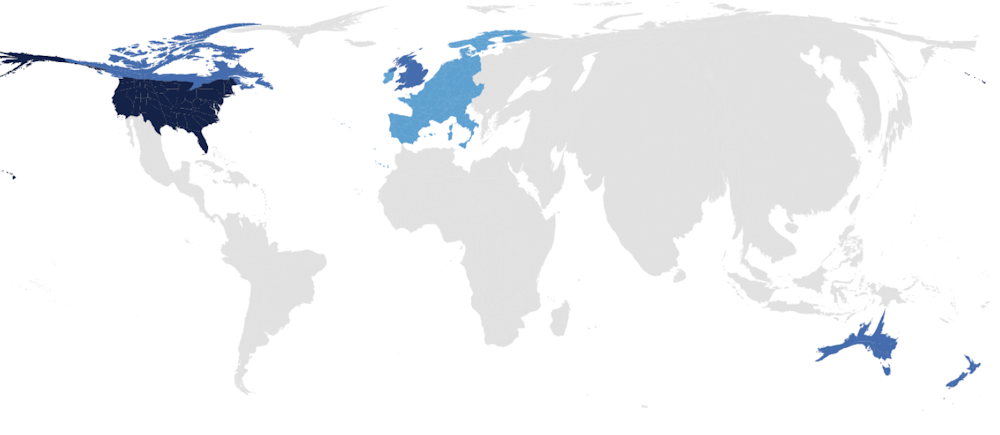
To illustrate the extent of this bias, consider that more than 90 percent of studies recently published in psychological science’s flagship journal come from countries representing less than 15 percent of the world’s population.
If people thought and behaved in basically the same ways worldwide, selective attention to these typical participants would not be a problem. Unfortunately, in those rare cases where researchers have reached out to a broader range of humanity, they frequently find that the “usual suspects” most often included as participants in psychology studies are actually outliers. They stand apart from the vast majority of humanity in things like how they divvy up windfalls with strangers, how they reason about moral dilemmas and how they perceive optical illusions.
Given that these typical participants are often outliers, many scholars now describe them and the findings associated with them using the acronym WEIRD, for Western, educated, industrialized, rich and democratic.
WEIRD isn’t universal
Because so little research has been conducted outside this narrow set of typical participants, anthropologists like me cannot be sure how pervasive or consequential the problem is. A growing body of case studies suggests, though, that assuming such typical participants are the norm worldwide is not only scientifically suspect but can also have practical consequences.
Daniel Hruschka, CC BY-ND
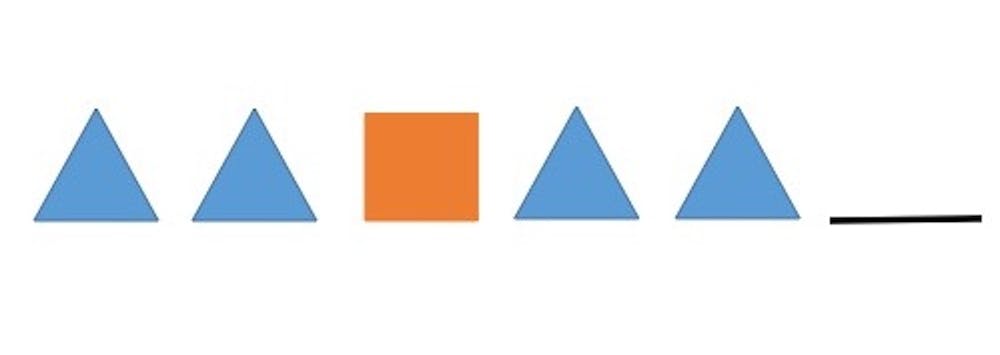
Consider an apparently simple pattern recognition test commonly used to assess the cognitive abilities of children. A standard item consists of a sequence of two-dimensional shapes – squares, circles and triangles – with a missing space. A child is asked to complete the sequence by choosing the appropriate shape for the missing space.
When 2,711 Zambian schoolchildren completed this task in one recent study, only 12.5 percent correctly filled in more than half of shape sequences they were shown. But when the same task was given with familiar three-dimensional objects – things like toothpicks, stones, beans and beads – nearly three times as many children achieved this goal (34.9 percent). The task was aimed at recognizing patterns, not the ability to manipulate unfamiliar two-dimensional shapes. The use of a culturally foreign tool dramatically underestimated the abilities of these children.
Misplaced assumptions about what is “normal” might also affect the very methods scientists use to assess their theories. For example, one of the most commonly used tools in the behavioral sciences involves presenting a participant with a statement – something like “I generally trust people.” Then participants are asked to choose one point along a five- or seven-point line ranging from strongly agree to strongly disagree. This numbered line is named a “Likert item” after its social psychologist originator, Rensis Likert.
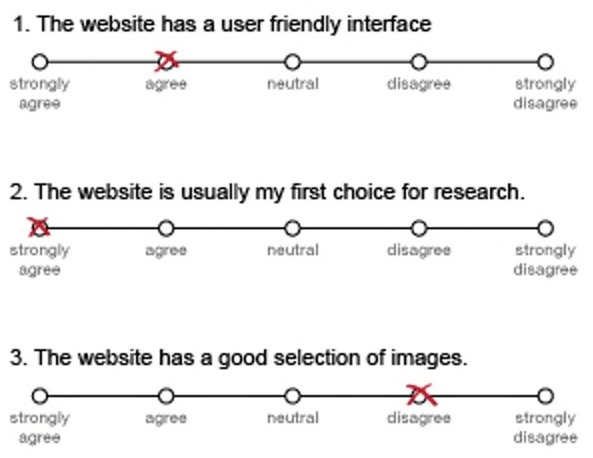
Likert Scales are commonly used to collect opinions and reactions.
Nicholas Smith/Wikimedia Commons, CC BY
Most readers of this article have likely responded to many Likert items in their lifetime, but when this tool is taken to other settings it encounters varying success. Some people may refuse to answer. Others prefer to answer simply yes or no. Sometimes they respond with no difficulty.
If something as apparently simple and normal as a Likert item fails in different contexts (and not in others), it raises serious questions about our most basic models of how people should perceive and respond to stimuli.
Aiming for a science of all humanity
To address these potentially vast gaps in our understanding of human psychology and behavior, researchers have proposed a number of solutions. One is to reward researchers who take the time and effort to build long-term research relationships with diverse communities. Another is to recruit and retain behavioral scientists from diverse backgrounds and perspectives. Still another is to pay closer attention to the norms, values and beliefs of study communities, whether they are WEIRD or not, when interpreting results.
A key part of these efforts will be to go beyond theories of “universal humans” and build theories that make predictions about how the local culture and environment can shape all aspects of human behavior and psychology. These include theories of how trading in markets can make people treat strangers more fairly, how some societies became WEIRD in recent centuries, and how the number of personality traits we find in a society – such as agreeableness, conscientiousness, neuroticism – depends on the complexity of a society’s organization.
Proponents disagree on the best paths to moving beyond WEIRD science to building a science of all humanity. But hopefully some combination of these solutions will expand our understanding of both what makes us human and what creates such remarkable diversity in the human experience.
Daniel Hruschka, Professor and Associate Director of the School of Human Evolution and Social Change , Arizona State University
This article is republished from The Conversation under a Creative Commons license. Read the original article.
Biofeedback, breathing and health
Posted: November 17, 2018 Filed under: Breathing/respiration, emotions, health, mindfulness, posture, relaxation, stress management, Uncategorized | Tags: resentment 3 CommentsIn the video interview recorded at the 2018 Conference of the New Psychology Association, Jagiellonian University, Krakow, Poland, Erik Peper, PdD, defines biofeedback and suggests three simple breathing and imagery approaches that we can all apply to reduce pain, resentment and improve well-being.
Cell phone radio frequency radiation increases cancer risk*
Posted: November 12, 2018 Filed under: cancer, digital devices, self-healing, Uncategorized | Tags: cellphones, digital devices, Radio frequency radiation, technology 3 Comments
Be safe rather than sorry. Cellphone radio frequency radiation is harmful!
The National Toxicology Program (NTP) released on October 31, 2018 their final report on rat and mouse studies of radio frequency radiation like that used with cellphones. The $30 million NTP studies took more than 10 years to complete and are the most comprehensive assessments to date of health effects in animals exposed to Radio Frequency Radiation (RFR) with modulations used in 2G and 3G cell phones. 2G and 3G networks were standard when the studies were designed and are still used for phone calls and texting.
The report concluded there is clear evidence that male rats exposed to high levels of radio frequency radiation (RFR) like that used in 2G and 3G cell phones developed cancerous heart tumors, according to final reports. There was also some evidence of tumors in the brain and adrenal gland of exposed male rats. For female rats, and male and female mice, the evidence was equivocal as to whether cancers observed were associated with exposure to RFR.
“The exposures used in the studies cannot be compared directly to the exposure that humans experience when using a cell phone,” said John Bucher, Ph.D., NTP senior scientist. “In our studies, rats and mice received radio frequency radiation across their whole bodies. By contrast, people are mostly exposed in specific local tissues close to where they hold the phone. In addition, the exposure levels and durations in our studies were greater than what people experience.”
In the NTP study, the lowest exposure level used in the studies was equal to the maximum local tissue exposure currently allowed for cell phone users. This power level rarely occurs with typical cell phone use. The highest exposure level in the studies was four times higher than the maximum power level permitted. Butcher state, “We believe that the link between radio frequency radiation and tumors in male rats is real, and the external experts agreed.”
I interpret that their results support the previous–often contested–observations that brain cancers were more prevalent in high cell phone users especially on the side of the head they held the cellphone.
More some women who have habitually stashed their cell phone in their bra have been diagnosed with a rare breast cancer located beneath the area of the breast where they stored their cell phone. Watch the heart breaking TV interview with Tiffany. She was 21 years old when she developed breast cancer which was located right beneath the breast were she had kept her cell phone against her bare skin for the last 6 years.
While these rare cases could have occurred by chance, they could also be an early indicator of risk. Previously, most research studies were based upon older adults who have tended to use their mobile phone much less than most young people today. The average age a person acquires a mobile phone is ten years old (this data was from 2016 and many children now have cellphones even earlier). Often infants and toddlers are entertained by smartphones and tablets–the new technological babysitter. The possible risk may be much greater for a young people since their bodies and brains are still growing rapidly. I wonder if the antenna radiation may be one of the many initiators or promoters of later onset cancers. We will not know the answer; since, most cancer take twenty or more years to develop.
What can you do to reduce risk?
Act now and reduce the exposure to the antenna radiation by implementing the following suggestions:
- Keep your phone, tablet or laptop in your purse, backpack or briefcase. Do not keep it on or close to your body.
- Use the speakerphone or earphones with microphone while talking. Do not hold it against the side of your head, close to your breast or on your lap.
- Text while the phone is on a book or on a table away from your body.
- Put the tablet and laptop on a table and away from the genitals.
- Set the phone to airplane mode.
- Be old fashioned and use a cable to connect to your home router instead of relying on the WiFi connection.
- Keep your calls short and enjoy the people in person.
- Support legislation to label wireless devices with a legible statement of possible risk and the specific absorption rate (SAR) value. Generally, higher the SAR value, the higher the exposure to antenna radiation.
- Support the work by the Environmental Health Trust.
For an radio interview on this topic, listen to my interview on Deborah Quilter’s radio show. http://www.blogtalkradio.com/rsihelp/2018/11/20/why-you-should-keep-your-cell-phone-away-from-your-body-with-dr-erik-peper
For more information on NTP study see:
*The blog is adapted in part from the November 1, 2018 news release from the National Toxicology Program (NTP)1, National Institute of Environmental Health Sciences2, National Institute of Health (NIH)3.
- About the National Toxicology Program (NTP):NTP is a federal, interagency program headquartered at NIEHS, whose goal is to safeguard the public by identifying substances in the environment that may affect human health. For more information about NTP and its programs, visit niehs.nih.gov.
- About the National Institute of Environmental Health Sciences (NIEHS): NIEHS supports research to understand the effects of the environment on human health and is part of NIH. For more information on environmental health topics, visit niehs.nih.gov. Subscribe to one or more of the NIEHS news lists (www.niehs.nih.gov/news/newsroom/newslist/index.cfm) to stay current on NIEHS news, press releases, grant opportunities, training, events, and publications.
- About the National Institutes of Health (NIH):NIH, the nation’s medical research agency, includes 27 Institutes and Centers and is a component of the U.S. Department of Health and Human Services. NIH is the primary federal agency conducting and supporting basic, clinical, and translational medical research, and is investigating the causes, treatments, and cures for both common and rare diseases. For more information about NIH and its programs, visit nih.gov.
 the peper perspective
